How Kochi Sake Is Quietly Winning the American Drink Market Without Spending a Dime on Ads

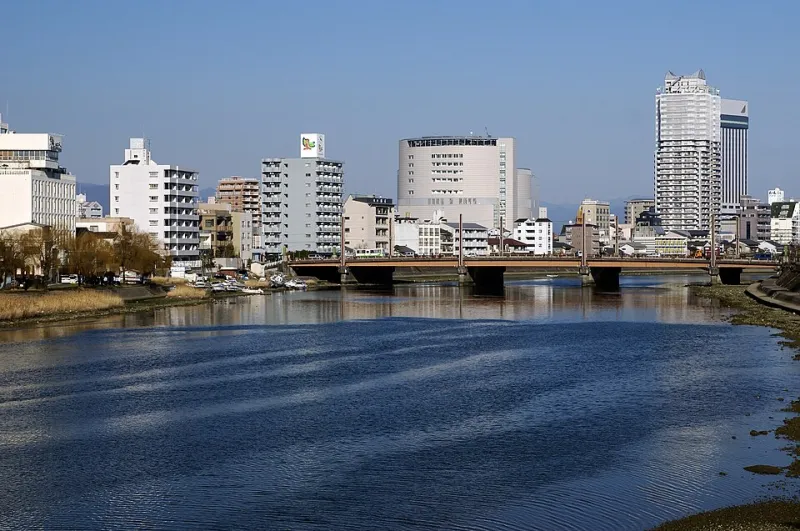
Photo: 妖精書士, CC0, via Wikimedia Commons
Napa Valley spends an estimated $400 million annually on wine marketing in the United States. There are billboards on the 101. There are celebrity-owned labels. There are lifestyle campaigns engineered to make you feel like a sun-drenched California weekend is just one bottle away.
Kochi prefecture, tucked into the rugged southern coast of Shikoku Island, has none of that. What it has instead is arguably more durable: a product that sells itself once people actually taste it, a distribution strategy built on trust rather than impressions, and a demographic tailwind that California wine is only beginning to understand it's losing.
The numbers are starting to show it.
The Quiet Rise in Import Data
U.S. sake imports have grown steadily over the past decade, with premium sake categories — junmai, ginjo, and daiginjo — outpacing overall sake volume growth. Industry analysts tracking the beverage sector have noted that younger American consumers (the 25–40 bracket that every drink brand is chasing) are increasingly reaching for sake at both on-premise accounts and through online retail channels.
Kochi sake, while still a niche within a niche, is punching well above its weight in on-premise placement. Restaurants and bars in cities like New York, Los Angeles, Chicago, and Austin are increasingly featuring Kochi-specific bottles on their sake programs — not just generic Japanese sake, but regionally identified Kochi producers. That's a meaningful shift. It mirrors what happened with natural wine and single-origin coffee: specificity becomes a selling point once the audience gets educated enough to care about it.
And someone has been doing that educating.
The Sommelier Pipeline
One of the most underappreciated drivers of Kochi sake's American growth is the role of certified sake professionals and forward-thinking sommeliers who've been quietly championing the region for years.
The Sake Education Council and the Wine & Spirits Education Trust both offer sake certifications that are increasingly popular among American beverage professionals. Within those programs, Kochi's tosa style — the dry, high-acid profile that defines the region — gets significant attention because it's distinctive enough to teach and memorable enough to stick. Once a sommelier has a framework for understanding why Kochi sake is different from, say, Niigata or Hyogo sake, they become natural advocates.
This is word-of-mouth at an institutional level. A sommelier who believes in a product will recommend it hundreds of times a year across tastings, staff education sessions, and menu consultations. That's reach no billboard can replicate — and it costs the breweries almost nothing.
Some Kochi producers have been smart enough to double down on this. Importer relationships that prioritize education over pure volume distribution mean that the people selling Kochi sake to American consumers actually understand what they're selling. That's rarer than it sounds in the import wine and spirits business.
Direct-to-Consumer: The Channel Wine Country Slept On
The pandemic reshaped American alcohol purchasing in ways the industry is still processing. Direct-to-consumer (DTC) wine sales exploded between 2020 and 2022, and while wine wineries scrambled to build out their DTC infrastructure, a quieter shift was happening in the sake space.
Small sake importers and specialty retailers began building email lists, subscription models, and curated sake club programs that gave American consumers access to bottles they couldn't find at Total Wine. Kochi sake, with its strong regional identity and story-rich breweries, was a natural fit for this kind of discovery-driven retail model.
The economics work differently than wine's DTC model. Because sake is still relatively unknown to most American consumers, every purchase comes bundled with education — tasting notes, regional context, food pairing suggestions. Buyers aren't just buying a bottle; they're buying access to a world they didn't know existed. That creates retention. People who find Kochi sake through a subscription box or a specialty retailer tend to come back, because the category keeps offering new things to discover.
California wine, by contrast, has largely exhausted its discovery narrative for younger consumers. If you've grown up seeing Napa Valley on every grocery store shelf and every restaurant wine list, there's no frontier left to explore. Kochi sake is that frontier.
Why Younger Drinkers Are Walking Away from Wine
Let's talk about the thing the wine industry doesn't love to discuss publicly: Gen Z and younger millennials are drinking less wine, and when they do drink, they're increasingly choosing beverages that feel culturally interesting rather than socially obligatory.
Wine carries baggage. There's a class dimension to wine culture that feels alienating to a generation that grew up watching influencers democratize food and drink. The idea that you need to know the difference between a Côte de Nuits and a Côte de Beaune to participate in wine culture is a feature for some consumers and a hard stop for others.
Sake — and Kochi sake specifically — sidesteps that dynamic almost entirely. The learning curve is real, but the culture around sake in America is still being built, which means newcomers don't feel like they're arriving late to a party that already has a dress code. You can be genuinely curious and exploratory without feeling like you're being evaluated.
Add to that the health-adjacent positioning that sake naturally occupies (no sulfites, lower histamines than wine for many consumers, a cleaner hangover profile that drinkers swear by anecdotally) and you have a product that fits the way younger Americans want to think about their drinking.
What the Wine Industry Got Wrong
California wine built its American dominance on consistency, accessibility, and aspirational lifestyle marketing. That formula worked brilliantly for two generations of consumers. But it also created a category that's deeply dependent on the cultural assumptions of those generations — that wine is the sophisticated drink, that Napa is the benchmark, that the ritual of wine selection is a marker of taste and class.
Those assumptions are eroding. And the beverage categories that are growing into that gap are the ones that offer genuine discovery, cultural depth, and the feeling that you're in on something most people haven't found yet.
Kochi sake offers all three. The breweries are real, the history is deep, and the product is genuinely excellent. None of that required a $400 million marketing budget.
It just required the right people to taste it — and then tell their friends.
The Long Game
Nobody is predicting that Kochi sake will displace California wine on the American table anytime soon. The scale difference is enormous and the infrastructure gaps are real. But the trajectory matters, and the trajectory for premium Kochi sake in the U.S. market is pointing in one direction.
The breweries that understand this are playing a long game: building importer relationships carefully, investing in education, showing up at the right trade events, and trusting that a great product with a compelling story will find its audience.
In a media landscape saturated with paid placement and influencer campaigns, that kind of patient, grassroots momentum is genuinely rare. And in the beverage industry, it tends to win.