Meet the Underdogs: Kochi's Independent Sake Brewers Who Are Doing Things Their Own Way
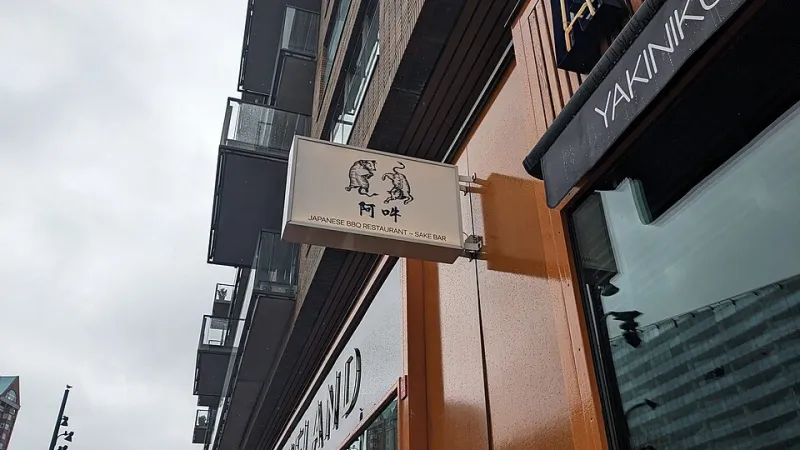
Photo: Donald Trung Quoc Don (Chữ Hán: 徵國單) - Wikimedia Commons - © CC BY-SA 4.0 International.(Want to use this image?)Original publication 📤: --Donald Trung 『徵國單』 (No Fake News 💬) (WikiProject Numismatics 💴) (Articles 📚) 19:25, 9 March 2023 (UTC), CC BY
Craft culture in America has always had a soft spot for the underdog. We root for the small-batch distillery operating out of a converted barn. We seek out the two-person canning operation making sour ales that taste nothing like anything on the grocery store shelf. We want the story. We want to feel like we found something before everyone else did.
Kochi Prefecture has been producing exactly that kind of story for years — the rest of the world is just starting to listen.
Tucked into Japan's most mountainous and rugged prefecture, a community of independent and micro-scale sake brewers has been quietly doing things differently. Some are working with wild fermentation. Some are reviving ancient rice varieties that the major producers abandoned decades ago. Some are barely thirty years old and are already making the kind of sake that seasoned importers describe as "unlike anything else in the category." All of them are worth knowing.
Brewing Against the Grain: Why Kochi Breeds Rebels
Before getting into the individual stories, it's worth understanding why Kochi specifically produces this kind of creative independence. The prefecture sits on the Pacific coast of Shikoku Island, geographically isolated from Japan's major urban and commercial centers. That isolation has historically meant that Kochi's brewers developed their own traditions and preferences separate from the mainstream sake world.
The local drinking culture — centered on a tradition called okyaku, communal feasting and drinking that can stretch for hours — demands sake that's bold, food-friendly, and built to go the distance. Kochi's characteristic choukarakuchi dry style emerged partly from this culture. You need something that doesn't tire out your palate after the third cup.
That independent streak is baked into the region's identity. So when younger brewers and small operations started pushing even further outside the lines, they weren't really breaking with Kochi tradition — they were extending it.
Kameizumi Shuzo: The Quiet Innovator
Kameizumi is one of those breweries that doesn't shout about what it's doing, which is exactly why sake nerds find it so compelling. The brewery has been operating for generations, but in recent years it has drawn attention for its willingness to experiment with extended aging on styles that most producers would release young.
Their approach to tokubetsu junmai — a special designation pure-rice sake — involves longer fermentation at lower temperatures than most breweries would consider practical, resulting in a product with a texture and depth that feels almost handmade in the most literal sense. In the US market, bottles from Kameizumi have found homes in Japanese specialty retailers and on the sake lists of restaurants that take their beverage programs seriously.
What resonates with American craft enthusiasts is the deliberate pace. In a market obsessed with speed and efficiency, Kameizumi seems to operate on a different clock — one that prioritizes the sake's development over throughput. That philosophy is easy to respect.
Suigei Brewing: Boldness as a Business Model
If Kameizumi is the quiet innovator, Suigei is the brewery that walks into the room and immediately commands attention. The name translates loosely to "drunken whale," which should tell you something about how they approach branding and identity.
Suigei has built a reputation around its junmai ginjo and junmai daiginjo expressions that are assertive, dry, and unapologetically themselves. While many premium sake producers chase delicacy and restraint, Suigei seems to actively resist the idea that refined means muted. Their sake has a presence — a forward, almost brash quality that pairs better with bold food than with quiet contemplation.
In the US, Suigei has developed a following among bartenders who appreciate sake with enough personality to hold its own in mixed applications. The drunken whale mascot doesn't hurt either — it's the kind of visual identity that translates instantly to an American audience accustomed to craft branding that tells a story at a glance.
Tsukasabotan: The History-Keeper Who Won't Stop Evolving
Founded in 1603 — yes, that's the 1600s — Tsukasabotan is one of Kochi's oldest continuously operating breweries, and it could easily have coasted on that heritage alone. It hasn't.
What makes Tsukasabotan interesting to the craft beverage crowd isn't just its age, but its refusal to treat age as an excuse for complacency. The brewery has been actively experimenting with different rice varieties and fermentation approaches while simultaneously maintaining traditional expressions that represent Kochi sake at its most classic.
Their yamadanishiki expressions — using what's considered the "king of sake rice" — demonstrate the kind of technical mastery that comes from centuries of accumulated knowledge. But their willingness to release experimental small batches alongside those classics suggests an operation that's genuinely curious about what sake can become, not just what it has been.
For American consumers who appreciate a brand with deep roots and forward momentum simultaneously — think of how American whiskey lovers approach old distilleries that are also pushing boundaries — Tsukasabotan hits a satisfying note.
Tosa Brewing: The New Generation's Loudest Voice
Of all the independent operations coming out of Kochi right now, Tosa Brewing (operating under variations of the Tosa regional name, Kochi's ancient designation) represents the sharpest break from convention. Younger brewers working in this space are drawing from a wider cultural vocabulary — referencing craft beer techniques, natural wine philosophy, and even Korean makgeolli traditions in how they think about fermentation and flavor.
The results can be polarizing, which in the craft world is usually a sign you're doing something right. Some releases lean into active fermentation character in ways that feel almost funky by traditional sake standards. Others play with fruit additions or unconventional serving temperatures that would raise eyebrows at a conventional sake tasting.
But the intention is never shock value. The goal, as these younger brewers describe it, is to ask what sake could be if you removed the assumption that it has to look and taste a certain way. That question resonates deeply with American craft drinkers who have watched the same conversation unfold in beer, whiskey, gin, and cider over the past two decades.
Why These Stories Matter to American Drinkers
The craft beverage movement in America was built on a simple idea: that the person making the drink matters, that their choices and values and obsessions end up in the glass, and that knowing their story makes the drink taste better. Not metaphorically — actually, measurably better.
Kochi's independent brewers offer exactly that. They're not faceless operations producing to a spec. They're people with a point of view, working in a place with a distinct identity, making sake that couldn't come from anywhere else.
As more of these bottles make their way into the US market through specialty importers and sake-forward retailers, American drinkers have a genuine opportunity to get in early on something that feels like it's on the verge of a broader moment. The kind of moment that, a few years from now, people will claim they saw coming all along.
You can actually see it coming. That's the point.