Aged Kochi Sake Is Quietly Taking Over Fine Dining Kitchens Across America
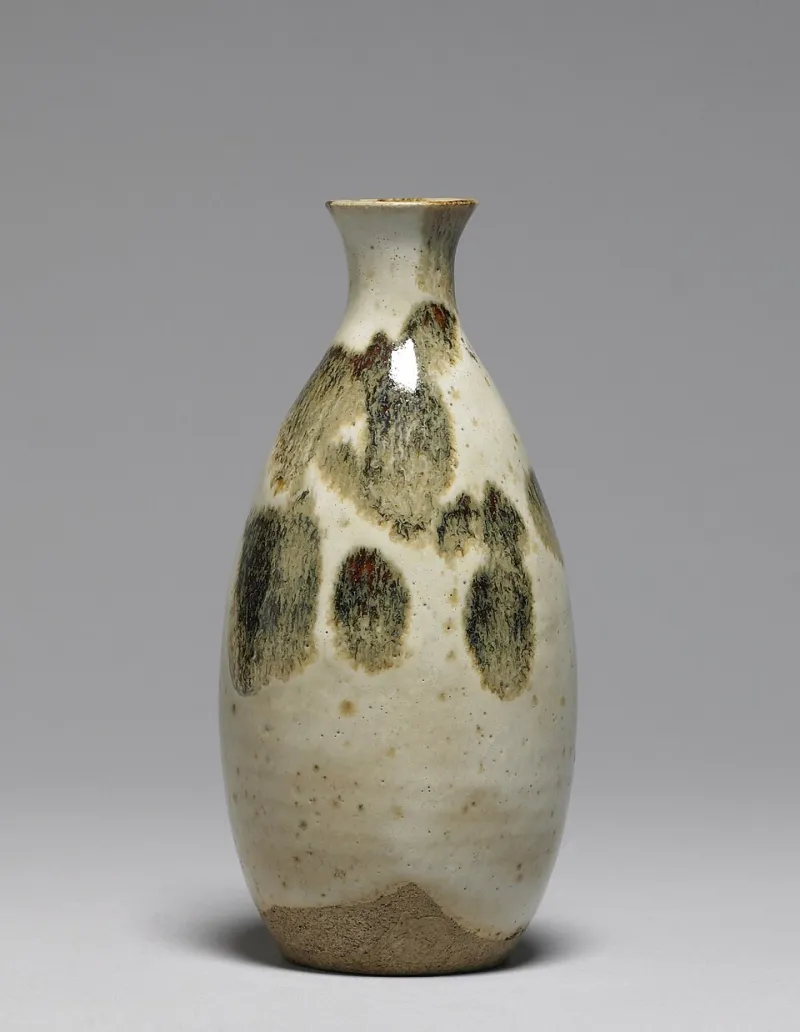
Photo: Eiraku Wazen, Public domain, via Wikimedia Commons
There's a bottle sitting on the prep counter of a Michelin-starred restaurant in Manhattan. It doesn't look like much — no flashy label, no trendy font. But the chef reaches for it the way a painter reaches for a favorite brush: instinctively, confidently, every single service. Inside is aged Kochi sake, and it's quietly becoming one of the most talked-about ingredients in American fine dining.
This isn't a fluke. It's a slow-building wave, and the chefs, sommeliers, and mixologists riding it are onto something that most diners haven't caught up to yet.
What Even Is Aged Sake — and Why Kochi?
When most Americans think about sake, they picture something light, slightly floral, served warm at a sushi bar. Aged sake — called koshu in Japanese — is something else entirely. These are bottles that have been matured anywhere from a few years to over a decade, developing flavors that lean into caramel, dried fruit, roasted nuts, soy, and a deep, almost meaty umami that lingers on the palate long after you swallow.
Kochi Prefecture is particularly well-suited to producing aged sake worth obsessing over. The region's brewing culture has long celebrated choukarakuchi — an intensely dry, full-bodied style that holds up beautifully to extended aging without collapsing into something flat or unpleasant. The water, the local rice, the mountain air — it all contributes to a structural backbone that ages with grace.
Think of it less like a delicate white wine going oxidized and more like a fine sherry developing complexity over time. The analogy isn't accidental — some Kochi koshu picks up notes that remind seasoned tasters of aged Amontillado, which is part of why Western palates are warming up to it so quickly.
How Chefs Are Actually Using It
The most common entry point in professional kitchens is as a braising or deglazing liquid. The umami depth of aged Kochi sake brings something to braised short ribs or duck confit that neither wine nor standard sake can quite replicate. It adds richness without heaviness, a savory backbone that makes the other flavors in a dish pop without screaming for attention.
Some chefs are using it as a finishing sauce reduction, where the natural sugars in koshu caramelize into something glossy and complex. Others are incorporating it into vinaigrettes and dressings — a small pour of aged Kochi sake alongside rice wine vinegar, sesame oil, and a touch of miso creates a dressing that tastes like it has layers upon layers of intention behind it.
Then there's the cocktail world. Bartenders in cities like Los Angeles, Chicago, and Portland have started treating aged Kochi sake the way a serious barkeep treats a good amaro — as a modifier that adds depth and mystery. One popular riff involves swapping aged sake into a Negroni-adjacent build, where its umami character plays off bitter aperitivo and the sweetness of vermouth in a way that feels genuinely new. Others are using it in Manhattans, old fashioneds, or even a simple highball where the complexity of the sake does the heavy lifting.
The Flavor Evolution You Need to Understand
Here's what happens to Kochi sake as it ages, in plain terms: the bright, clean rice flavors of a fresh brew gradually give way to something richer and more layered. Amino acids develop, contributing to that savory, mouth-coating umami quality. Natural sugars concentrate and mellow, adding a subtle sweetness that never feels cloying. The color deepens from clear to amber, sometimes to a warm honey gold.
For home cooks, the easiest mental model is to think of aged Kochi sake as a liquid seasoning rather than just a beverage. A tablespoon in a mushroom risotto. A splash added to miso soup just before serving. A small pour into the pan when you're finishing a simple sautéed chicken breast. You're not making the dish taste like sake — you're giving it a kind of savory depth that's hard to put a name to but immediately recognizable as better.
Bringing It Into Your Home Kitchen
If you're ready to experiment, start with something approachable. Look for Kochi koshu that's been aged three to five years — these tend to offer the complexity without veering into the more intense, almost vinegar-adjacent territory that longer-aged bottles can reach. Your local Japanese grocery or a specialty sake retailer with a Kochi-focused selection is the best starting point. Some US importers are now specifically sourcing aged Kochi expressions, which is a sign of how seriously the trade is taking this category.
Storage matters, too. Unlike fresh sake, aged bottles are actually fairly forgiving once opened. Keep them refrigerated, and many will hold up well for several weeks — the same oxidation resistance that makes them great for cooking also means they won't deteriorate overnight the way a delicate ginjo might.
A few starting ideas for the home cook:
- Deglaze a pan with aged Kochi sake after searing pork chops, then reduce with a little butter and fresh thyme.
- Add a splash to ramen broth in the last five minutes of simmering for an extra layer of savory complexity.
- Use it in marinades for beef or lamb — the enzymes in sake help tenderize meat while the aged flavors penetrate deeply.
- Stir a small amount into caramel sauce for an adult dessert topping that tastes impossibly sophisticated.
Why This Trend Has Legs
American food culture is in a moment where complexity and authenticity are valued more than novelty for its own sake. Diners want to know the story behind an ingredient. They want layers. They want to be surprised. Aged Kochi sake delivers all three, and it does so with a cultural heritage and regional specificity that resonates with the same crowd that drove the craft beer and artisan spirits movements.
The chefs and bartenders reaching for these bottles aren't doing it as a gimmick. They're doing it because aged Kochi sake genuinely makes their food and drinks taste better. That's the simplest and most honest explanation for why it's spreading through American kitchens the way it is.
If you haven't opened a bottle yet, now's a good time to start.