Stop Doing Sake Bombs: The American Bar Scene Is Finally Discovering What Kochi Tastes Like
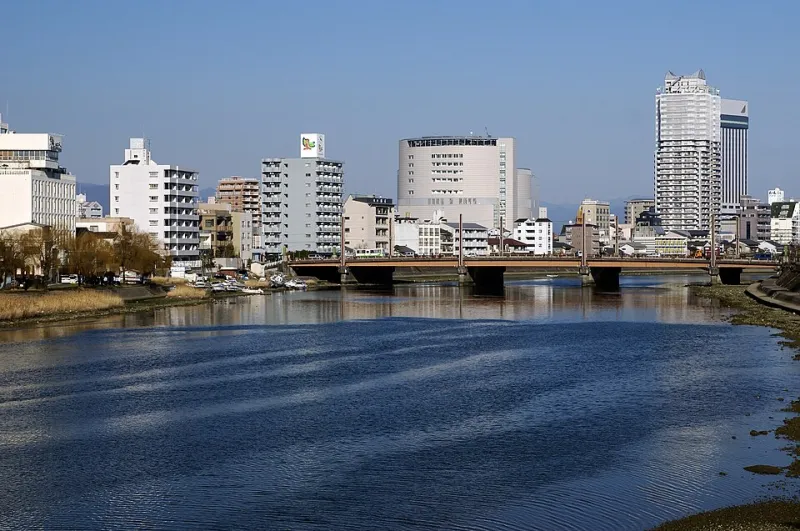
Photo: 経済特区, CC BY-SA 4.0, via Wikimedia Commons
Let's pour one out — metaphorically — for the sake bomb. It had its moment. It was fun. It introduced a generation of Americans to the idea that sake existed. But as a gateway to one of the world's most sophisticated fermented beverages? It was roughly as effective as a Jell-O shot introducing someone to Bordeaux.
The good news is that American bar culture is growing up when it comes to sake, and nowhere is that more exciting than in the niche — but rapidly expanding — world of Kochi-focused sake service. From Portland to Nashville, a new wave of beverage professionals is making the case that sake deserves the same reverence we give to natural wine or craft whiskey. And Kochi, with its bold, dry, food-friendly profile, is leading the charge.
The Commodity Problem
Walk into most American restaurants that serve sake and you'll find a short, undifferentiated list: one hot option, one cold option, maybe a "premium" bottle with a vague Japanese label that nobody on staff can actually explain. These are typically large-production brands built for export volume, not for showcasing the diversity of Japanese brewing culture.
It's not a moral failing — it's a market reality. Sake import and distribution in the US has historically been dominated by a handful of big players who prioritize shelf stability and broad palatability over regional character. The result is that most Americans have formed their entire opinion of sake based on a product category that's roughly analogous to judging all American beer by Bud Light.
"When I first started getting into sake seriously, I couldn't find anything from Kochi anywhere in my city," says Marcus Webb, a beverage director at a Japanese-inspired izakaya in Chicago. "I had to start importing directly, building relationships with distributors who actually cared about small breweries. It took years. But now we pour three Kochi labels by the glass, and they're our best sellers."
Where the Kochi Sake Scene Is Actually Happening
The cities leading the craft sake movement in the US aren't always the obvious ones. Yes, New York and LA have serious sake programs — places like Sakagura in Midtown Manhattan and Ototo in Los Angeles have long championed regional Japanese breweries. But some of the most thoughtful Kochi-focused pours are happening in unexpected spots.
In Seattle, the proximity to Japan via Pacific trade routes has made it a historically strong sake market, and several Capitol Hill restaurants now feature rotating Kochi selections alongside their Pacific Northwest wine lists. Portland's natural wine community has embraced sake with similar enthusiasm, particularly the more funky, unpasteurized muroka nama genshu styles that Kochi brewers occasionally produce.
Austin, Texas — not exactly a city you'd associate with Japanese beverage culture — has quietly developed a strong sake scene through its restaurant boom. A handful of spots near South Congress are pouring Suigei and Tosa Tsuru alongside their extensive whiskey selections, positioning sake as the sophisticated alternative for diners who want something unexpected.
In Nashville, the same energy that's driven a craft cocktail renaissance is now spilling into sake. "Our guests who are really into spirits tend to gravitate toward Kochi bottles immediately," notes one sommelier at a downtown omakase counter. "There's a directness to the flavor — dry, clean, almost austere — that resonates with whiskey drinkers. It's not perfumey or sweet. It has an edge."
Common Misconceptions, Debunked
Before you walk into one of these places and order, let's clear up a few things that trip up American sake newcomers.
Misconception #1: Sake should be served hot. Hot sake is a legitimate tradition, but it's typically used to smooth out rougher, lower-grade bottles. Premium sake — and everything coming out of Kochi's serious breweries — is almost always served chilled or at room temperature. Heat destroys the delicate aromatics that make a good junmai ginjo worth the price tag.
Misconception #2: Higher rice polishing ratio always means better sake. This one's trickier. More polished rice (daiginjo level) does produce a more delicate, aromatic style — but it's not inherently superior to a full-bodied junmai that retains more of the rice's natural umami character. Kochi brewers often favor junmai and junmai ginjo styles that lean into savory depth over floral lightness.
Misconception #3: Sake is wine. Sake is often marketed to wine drinkers because it's the easiest reference point, but it's fermented differently, served differently, and pairs with food differently. Think of it as its own category entirely — more versatile than wine in some ways, more specific in others.
Misconception #4: You need to drink it from a tiny cup. The ochoko is traditional, but plenty of Kochi sake shines in a white wine glass that allows you to nose the aromas properly. Ask your server what they recommend for each specific bottle.
How to Order Like You've Done This Before
When you're at a bar or restaurant with a real sake program, a few simple moves will signal that you're a thoughtful drinker — and will usually get you better service.
First, ask where the sake is from. Not just "is this Japanese" but which prefecture, which brewery. A good sake program should be able to answer this immediately. If the answer is vague, that tells you something about how seriously they take it.
Second, tell them what you like in other drinks. If you're a Champagne person, you'll probably love a Kochi ginjo with its bright acidity. If you're a Scotch drinker who gravitates toward Islay, lean toward a full-bodied genshu (undiluted sake) with some mineral intensity.
Third, ask about food pairing. This is where Kochi sake really earns its reputation. The dry, clean finish — that signature karakuchi quality — makes it one of the most food-friendly beverages on earth. Fatty fish, grilled meats, anything pickled or fermented, even spicy dishes that would overwhelm a delicate white wine. A knowledgeable server will have opinions about this, and those opinions are worth hearing.
Finally, don't be afraid to taste before committing to a full pour. Serious sake programs expect this. You wouldn't order a bottle of wine without reading the list — don't treat sake like a commodity just because it comes in smaller servings.
The Bigger Picture
What's happening in American bars right now with Kochi sake is part of a broader cultural shift toward drinking with intention. The same instinct that sends someone to a farmer's market instead of a big-box grocery store, or pushes them toward a single-origin coffee instead of a diner blend, is driving the craft sake movement. People want to know where their drink comes from, who made it, and why it tastes the way it does.
Kochi brewers — many of them small, family-run operations producing just a few thousand cases a year — are exactly the kind of producers this moment was made for. They're not brewing for volume. They're brewing for a place, a tradition, and a flavor that you can't get anywhere else.
The sake bomb had its run. This is what comes next.