Mountains, Rivers, and Rice: Why Kochi's Geography Pours Into Every Glass
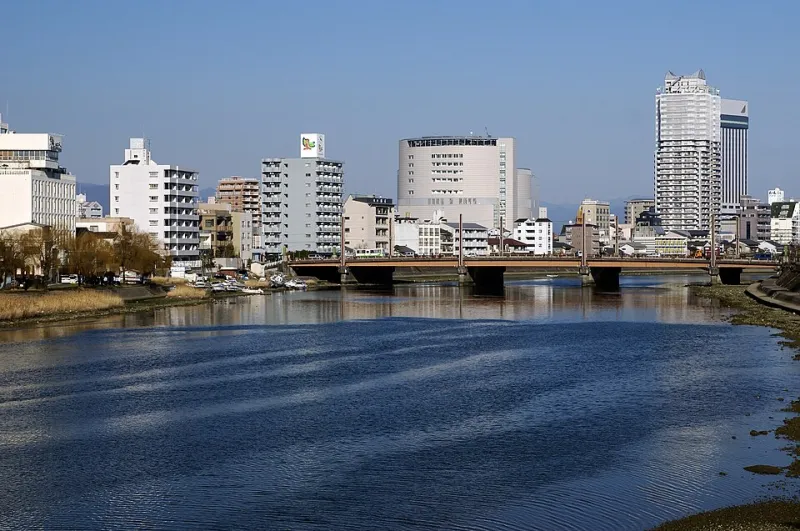
Photo: 663highland, CC BY 2.5, via Wikimedia Commons
If you've ever sipped a glass of Burgundy and had someone explain that the chalky soil and cool mornings of the Côte de Nuits are basically in the wine, you already understand terroir. You just might not know that sake has it too — and that Kochi Prefecture might be one of the most compelling origin stories in the entire world of fermented beverages.
For most Americans, sake is still that warm, slightly medicinal drink that arrives in a ceramic flask at a conveyor belt sushi spot. It's an afterthought, a curiosity, or — let's be honest — a shot you drop into a beer. But that version of sake has about as much in common with authentic Kochi-brewed nihonshu as a gas station hot dog has with a proper Texas brisket. Once you understand what goes into a bottle from this wild corner of Japan's Shikoku island, you'll never look at the stuff the same way again.
What Even Is Sake Terroir?
Terroir, in its simplest form, is the idea that a place leaves a fingerprint on what it produces. Soil composition, rainfall patterns, elevation, ambient temperature swings — all of it shapes flavor. In wine, we talk endlessly about this. In sake, the conversation is younger in the West, but among Japanese brewers it's been happening for centuries.
Kochi's terroir is defined by a few key factors that stack on top of each other in really dramatic ways. The prefecture sits on the southern face of Shikoku, hammered by Pacific weather systems and sheltered by the Shikoku Mountains to the north. This creates a climate that's wetter and wilder than almost anywhere else in Japan — Kochi City is one of the rainiest places in the entire country. And that rain doesn't just fall and disappear. It feeds the Shimanto River, famously one of Japan's last undammed, pristine waterways, and a network of mountain streams that brewers have been drawing from for generations.
The Water Question
Water makes up roughly 80% of sake by volume, so it's not a small variable. Kochi's mountain water tends to be soft — low in minerals like calcium and magnesium compared to, say, the notoriously hard water of Nada in Hyogo Prefecture. Hard water accelerates fermentation and typically produces bold, dry, assertive sake. Soft water slows things down, coaxing out a gentler, more delicate fermentation profile.
But here's the twist: Kochi brewers aren't content with delicate. The region is historically famous for karakuchi — dry sake with a clean, cutting finish that practically begs for food. So what you get is this fascinating tension: soft water as a starting point, but brewing philosophies and rice choices that push the final product toward dryness and depth. It's like a jazz musician who learned classical piano. The foundation is refined, but the attitude is anything but.
"The water here is alive in a way that's hard to describe," says one third-generation brewer from the Aki region, whose family has been pulling from the same mountain source since the Meiji era. "It has a lightness that gives us flexibility. We can push the fermentation hard or let it breathe. The water doesn't fight us."
Rice, Elevation, and the Flavor Stack
Kochi grows several sake rice varieties, including Gin no Yume, a strain developed specifically for the prefecture's climate. But the region also sources Yamada Nishiki and Gohyakumangoku from neighboring areas, blending regional identity with the best available raw materials. What matters more than any single variety is how the local conditions affect the milling, the koji development, and the fermentation environment.
Kochi's humidity and temperature fluctuations — warm, humid summers and mild but distinct winters — create a fermentation window that brewers describe as demanding but rewarding. The cold winter months, when most sake is brewed in a style called kan-zukuri, are critical. Kochi winters aren't as brutal as those in Akita or Niigata, which means brewers have to be more deliberate about managing fermentation temperatures. That extra attention, paradoxically, often produces more nuanced results.
Why This Matters If You're Drinking Sake in Des Moines or Denver
Here's the practical upshot for American drinkers: origin matters, and paying attention to it makes your drinking experience exponentially richer.
When you pick up a bottle of Kochi sake — say, something from Toichi Brewery or the legendary Suigei label — you're not just buying a product. You're buying a specific relationship between rainwater, mountain rice, and a brewer who grew up in a place where people take their food and drink extremely seriously. Kochi has one of the highest sake consumption rates per capita in Japan, which means local brewers are accountable to a population that actually knows what good sake tastes like. That's a very different quality control mechanism than brewing for export.
For US consumers who've been conditioned to think of sake as a monolith — either "the hot stuff" or "the expensive stuff at omakase" — understanding terroir is the unlock. It's the same mental shift that happens when a casual wine drinker first realizes that not all Chardonnay tastes like buttered popcorn, and that where the grapes grow explains everything.
How to Start Tasting With Terroir in Mind
The easiest entry point is contrast. Pick up a bottle of Kochi sake alongside something from a different major region — a Niigata junmai or a Nada honjozo — and taste them side by side with the same simple food. Grilled fish works beautifully. Notice the texture, the finish, the way the dryness either lingers or cuts clean.
Kochi sake tends to finish fast and dry, with a kind of mineral lift that's hard to pin down until you've tasted it a few times. Some drinkers pick up a subtle citrus quality, others notice a flinty, almost savory edge. These aren't random flavor notes — they're the mountains and rivers of Shikoku, filtered through centuries of brewing culture, sitting in your glass.
Once you taste it that way, it's kind of hard to go back to thinking of sake as just a beverage. It becomes a place. And Kochi is one hell of a place to visit, even from your living room couch.