Gas Station Glory: Why Kochi Sake Hits Different with Everyday Snacks
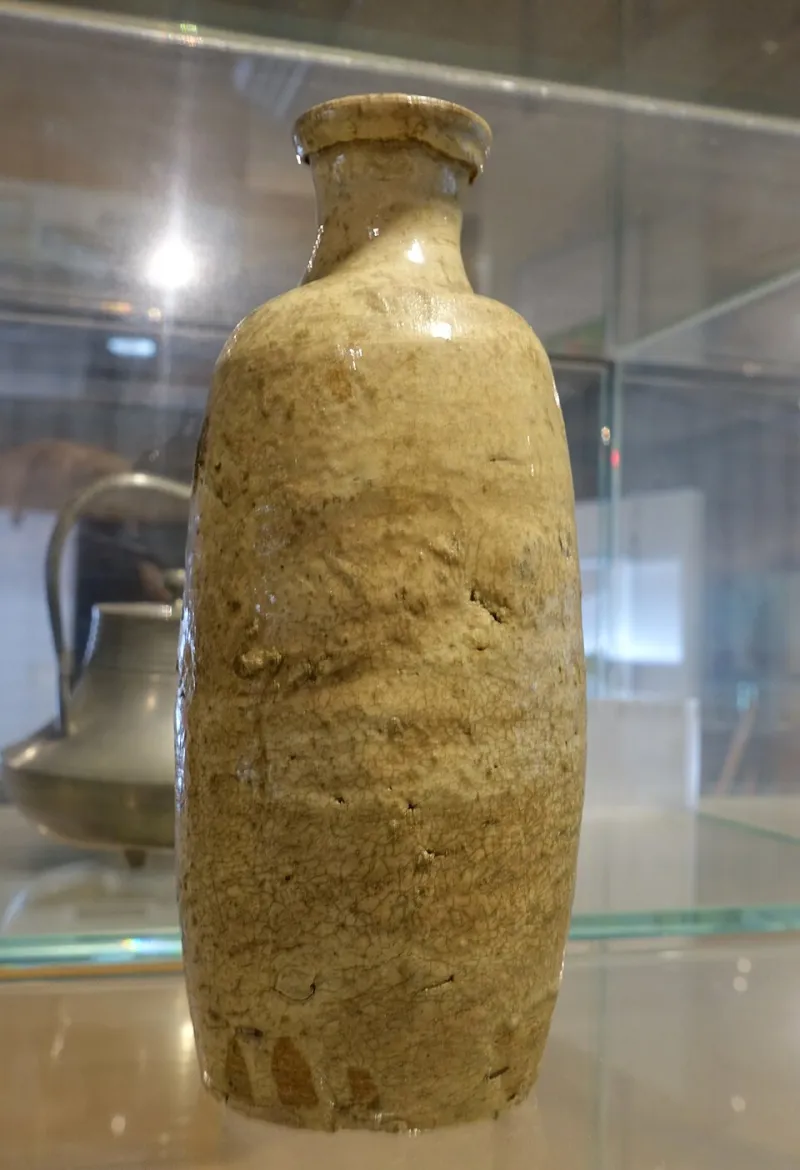
Photo: Daderot, CC0, via Wikimedia Commons
Let's be honest. The most memorable glass of sake you've ever had probably wasn't at a white-tablecloth restaurant in Manhattan. It was probably on a couch, maybe a little tired, definitely not dressed for the occasion — and something salty was involved.
There's a reason for that. And it's not just nostalgia.
Kochi sake, brewed in Japan's wildest, most uncompromising prefecture, is built on a foundation of high acidity, clean rice character, and a kind of savory depth that wine people would call "umami-forward" and the rest of us would just call really, really good. That flavor profile does something fascinating when it meets the snack foods most Americans grew up with. It doesn't just tolerate them — it elevates them.
So we did the thing. We grabbed a bottle of Kochi junmai and a bag from the corner store, and we got to work.
The Umami Connection Nobody Talks About
Umami — that fifth taste, the savory depth that makes you keep reaching into the bag — is the secret handshake between Kochi sake and junk food. Most Kochi brews carry a distinct amino acid richness from the brewing process, especially in junmai and junmai ginjo styles that skip added alcohol. That richness is essentially umami in liquid form.
When you pair umami with umami, something clicks. The flavors don't compete; they amplify each other. Spicy corn chips dusted in MSG? The sake's acidity cuts through the fat while the savory notes lock arms with the seasoning. Teriyaki beef jerky from a Flying J? The smoky sweetness of the jerky pulls out a subtle fruitiness in the sake you might never have noticed on its own.
This isn't a fluke. It's chemistry.
The Expensive Charcuterie Problem
Here's where things get a little awkward for the fancy-food crowd. Kochi sake, particularly the drier, high-acid styles like those from Tosashimizu or the junmai from Kochi City's heritage breweries, can actually clash with the kinds of pairings that get written up in food magazines.
Think about a classic charcuterie board: aged hard salami, sharp aged cheddar, a honey-drizzled brie, maybe some fig jam. Each of those components is fighting for dominance — fat, salt, funk, sweetness, earthiness. A delicate Kochi ginjo doesn't always win that battle. The sake's clean lines get muddied. The nuance disappears. You paid $45 for a bottle and it's basically background noise.
Contrast that with a bag of Takis. Lime. Heat. Salt. That's it. Simple, aggressive flavor that gives the sake something to work with rather than against. The acidity in the sake matches the citric punch of the lime coating. The heat from the chili doesn't overwhelm — it wakes up the finish. Suddenly you're tasting things in the sake that the tasting notes promised but the charcuterie board buried.
A Loose Field Guide to Snack Pairings That Actually Work
Spicy chips (Flamin' Hot anything, Takis, jalapeño kettle chips): High-acid Kochi junmai is your move here. The sake's clean, dry finish resets your palate between bites and makes the heat feel more manageable — and more fun.
Beef jerky (especially teriyaki or peppered styles): The protein and smoke in good jerky mirror the amino acid depth in a fuller-bodied Kochi sake. Try a junmai with decent weight to it. This pairing is genuinely underrated.
Instant ramen (yes, from the packet): Don't sleep on this. A bowl of Shin Ramyun with a glass of Kochi sake is one of the most satisfying late-night combinations you'll encounter. The salty, spicy broth and the sake's acidity create a loop you won't want to break.
Movie theater popcorn: The fake butter and salt are basically designed for a dry, slightly effervescent Kochi nigori. The cloudiness softens the salt while the carbonation cuts through the grease. It sounds absurd. It works.
Gas station sushi (the kind in the plastic tray): Okay, this one's almost too on-brand. Vinegared rice, a thin slice of imitation crab, a packet of soy sauce — and a clean Kochi honjozo. You're basically completing a circuit.
Why the Wine World Got This Wrong
Wine culture in America spent decades building a mythology around pairing. There are rules. There are charts. There are sommeliers who will tell you, with a straight face, that your Burgundy needs a duck confit to reach its potential. That framework made sense for wine, which has tannins, oak, and a whole different set of structural components to navigate.
Sake doesn't carry that same baggage — and Kochi sake especially doesn't. It was never designed for aristocrats. Kochi is a fishing prefecture, a farming region, a place where the food is bold and unpretentious and the sake was made to match. The tosa style — dry, acidic, built for the table — was developed alongside grilled fish, pickled vegetables, and yes, whatever came out of the sea that day. The point was always accessibility, not exclusivity.
When American sake culture tries to force that wine-world elegance onto Kochi sake, it misses the entire personality of the drink.
The Takeaway
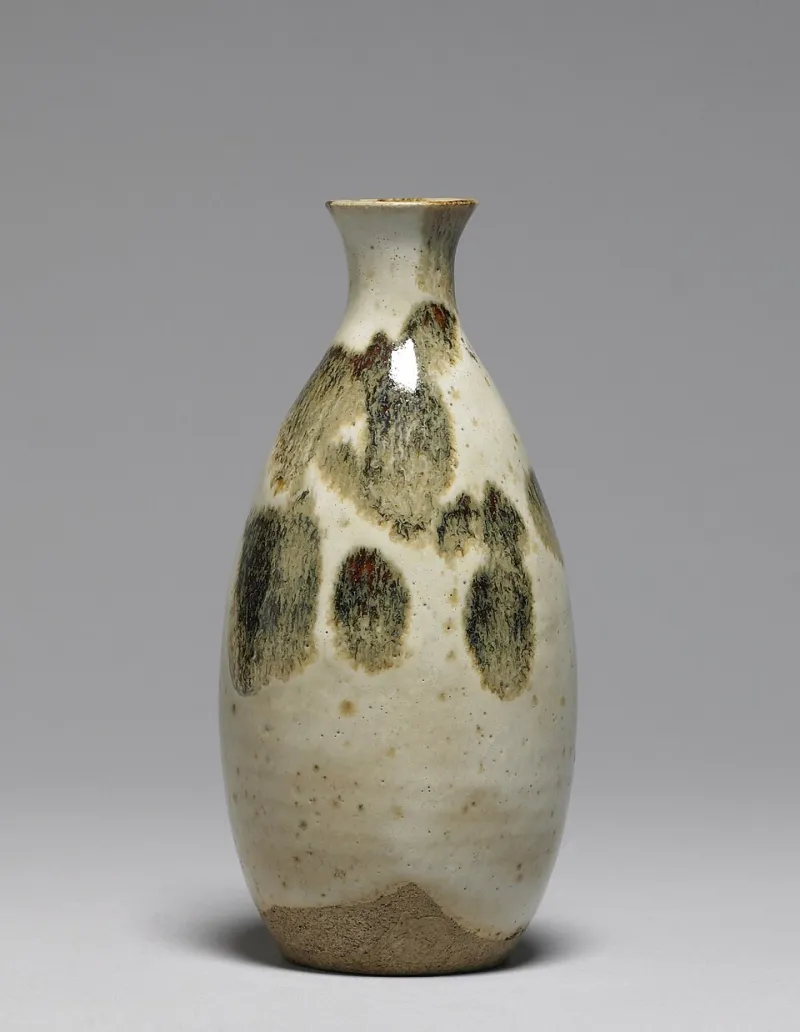
You don't need a special occasion to drink good Kochi sake. You don't need a curated board or a reservation or a dedicated sake glass (though a small ceramic cup is genuinely lovely if you have one). You need something salty, something with a little punch, and the willingness to stop overthinking it.
Grab a bag of your favorite chips. Open a bottle of something dry and bright from Kochi. See what happens.
We're willing to bet it's better than you expected — and way more fun than whatever the wine magazine told you to do.