From Random Bottles to a Real Collection: How to Build a Kochi Sake Home Bar That Means Something
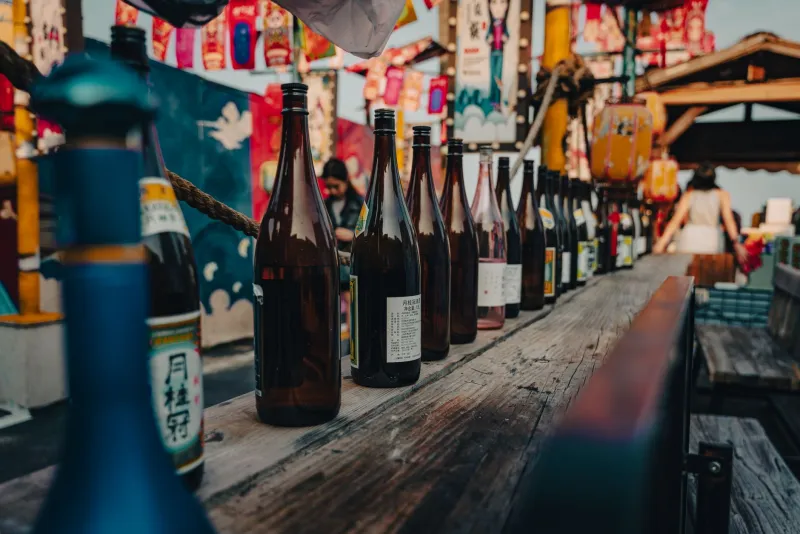
Let's be honest. Most American sake enthusiasts start the same way: they taste something at a restaurant, get weirdly obsessed, and then buy a handful of bottles that seemed interesting at the time. Fast forward six months and you've got a half-organized shelf that looks more like a lost-and-found than a curated collection.
If that sounds familiar, you're not alone — and there's a better way.
Kochi sake, with its reputation for bold, dry, food-forward profiles and its deep bench of independent breweries, is genuinely one of the most rewarding categories to collect. The variety is real, the stories behind the bottles are compelling, and the range of styles gives you something to work with whether you're a casual drinker or a serious enthusiast. The key is thinking less like a shopper and more like a curator.
Start With a Point of View, Not a Wishlist
The difference between a collection and a pile of bottles is intention. Before you buy your next bottle, ask yourself: what story do I want this shelf to tell?
Some collectors organize around breweries — picking up multiple expressions from the same producer to understand how a single toji's (master brewer's) philosophy plays out across different rice varieties or fermentation styles. Others build around the spectrum of Kochi's trademark dry style, ranging from crisp and clean junmai to the more textured, umami-rich aged expressions that have been quietly showing up on fine dining menus across the US.
Another popular approach is the timeline collection — pairing fresh, drink-now bottles with bottles specifically set aside for aging. This gives your shelf a sense of movement, like a living document of your taste as it evolves.
None of these approaches is wrong. But picking one gives your collection a spine.
Understanding What's Worth Aging vs. What You Should Drink Tonight
This is where a lot of American collectors get tripped up, mostly because the sake world doesn't always make it easy. Unlike wine, sake doesn't come with a vintage year printed front and center, and the conventional wisdom that sake should always be drunk young isn't quite accurate — especially when you're talking about Kochi.
Generally speaking, fresh, fruity ginjo and daiginjo styles are best enjoyed young. These are the bottles that reward you right out of the fridge: aromatic, lively, with that melon-and-pear brightness that makes them so easy to love. Drink these within a year or two of purchase and don't overthink it.
On the other hand, junmai styles — particularly those with higher acidity and umami depth, which Kochi is known for — can develop beautifully with time. Kochi's climate and water profile tend to produce sakes with the structural backbone to hold up to aging. Some collectors keep bottles for three to five years and report that the flavors deepen and mellow in ways that feel almost wine-like: less sharp, more layered, with a roundness that wasn't there when the bottle was new.
If you're just getting started with aging, a practical rule of thumb is to buy two bottles of anything you're curious about — drink one now and set the other aside. Compare them in twelve to eighteen months. The difference will tell you more about that sake's aging potential than any tasting note ever could.
Building Around Kochi's Breweries (Not Just the Big Names)
One of the genuine pleasures of collecting Kochi sake is that the region punches way above its weight in terms of independent producers. You've got well-known names like Suigei and Tosa Tsuru, but you've also got smaller operations doing genuinely interesting things with heritage rice varieties and unconventional fermentation approaches.
A thoughtful Kochi collection might include:
- A flagship junmai from an established producer to anchor your understanding of the regional baseline
- A limited-release or seasonal bottle that shows what happens when a brewer experiments
- Something specifically earmarked for aging, whether that's a yamahai or a kimoto-style junmai with the acidity to go the distance
- A nigori or sparkling style for the moments when you want something that breaks the mold
- A bottle you know nothing about — because the best collections always have a wildcard
This kind of intentional selection means your shelf represents the full range of what Kochi is doing, not just the bottles that happened to be in stock at your local Japanese grocery.
Storage: The Unglamorous Part That Actually Matters
Sake is more forgiving than wine, but it's not bulletproof. Light and heat are your enemies. UV exposure degrades sake fast — which is why so many bottles come in brown or opaque packaging — and temperature swings will flatten the flavors you're trying to preserve.
For bottles you're planning to drink within a few months, a regular refrigerator works fine. For anything you're aging, a dedicated wine fridge set between 40–55°F is ideal. Keep bottles upright (unlike wine, sake doesn't need the cork kept wet) and away from direct sunlight.
If you're storing bottles on an open shelf for display purposes, at minimum keep them out of south-facing windows and away from heat sources. A dedicated sake cabinet or a dark corner of a temperature-stable room will do more for your collection than any fancy display rack.
How Real US-Based Collectors Are Doing It
Talk to sake enthusiasts across the country and a few patterns emerge. In cities like Portland, Seattle, and New York — where the sake scene has been quietly maturing for years — home collectors tend to treat their Kochi shelves as conversation starters. One collector in Brooklyn described her approach as "brewery-first": she picks two or three producers she genuinely cares about and tries to maintain at least one bottle from each at any given time, rotating through their different expressions as she learns more.
Another enthusiast in the Bay Area takes the opposite approach. He organizes entirely by occasion — bottles that are right for a weeknight dinner, bottles that deserve a proper tasting session, and bottles he's holding back for something worth celebrating. His Kochi section skews heavily toward aged junmai, which he says pairs better with the food he actually cooks at home than anything in his wine rack.
What both collectors have in common is that their shelves feel deliberate. You can look at them and understand something about the person who built them.
The Shelf Is the Story
At the end of the day, a great home sake bar isn't about having the rarest bottles or the most impressive lineup. It's about having a shelf that reflects how you actually drink, what you're curious about, and where you want your palate to go next.
Kochi sake gives you a lot to work with. The region's breweries are doing genuinely varied, interesting things, and the styles range from easy-drinking crowd-pleasers to complex, age-worthy bottles that reward patience. The only thing standing between you and a collection worth talking about is a little intention.
So pull out whatever's on your shelf right now, take a hard look at it, and ask yourself: does this tell a story? If not, you know where to start.