How Kochi's Rule-Breakers Accidentally Made the Most Beginner-Friendly Sake on the Planet
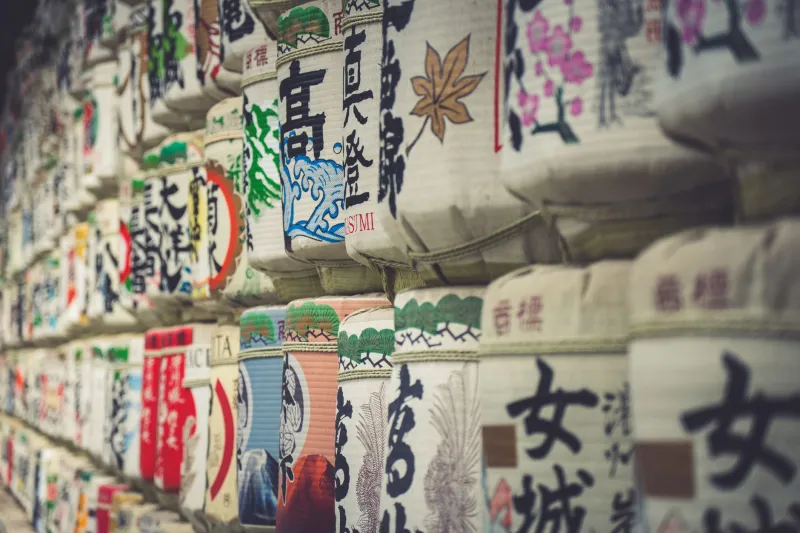
There's a weird thing that happens when you hand someone a glass of Kochi sake for the first time. You brace yourself for the usual reaction — the cautious sip, the polite nod, the quiet retreat back to whatever wine they came in with. Instead, their eyes kind of light up. They take another sip. They ask what's in it.
Nothing fancy is in it. Just rice, water, koji, and a brewing culture that has spent decades refusing to play it safe.
Kochi prefecture sits on the southern coast of Shikoku island, and it has built a reputation as the most experimental corner of Japan's sake world. The brewers here have a habit of ignoring convention, testing the edges of what sake is supposed to taste like, and generally doing things that make more traditional producers raise an eyebrow. And yet — paradoxically, beautifully — the sake they produce tends to be the stuff that resonates most with people who've never really gotten into sake before.
That's not an accident. It's actually the whole point.
Why "Experimental" Doesn't Mean "Difficult"
When most Americans hear the word experimental attached to any kind of food or drink, they brace for something challenging. Experimental wine often means something funky and polarizing. Experimental cocktails can veer into bitter, herbal territory that takes some warming up to. So it's reasonable to assume experimental sake would follow the same pattern.
Kochi breaks that assumption in a pretty direct way.
The experimentation happening in Kochi isn't about making sake harder to understand — it's mostly about making it more alive. Brewers here have long leaned into what's called the karakuchi style, a dry, clean profile with a snappy finish that clears the palate rather than coating it. That's the foundation. But what Kochi brewers do on top of that foundation is where things get interesting.
Some are playing with wild yeast strains that produce unexpected fruit notes — think green apple or yuzu — without adding anything artificial. Others are aging their sake in ways that deepen the flavor without turning it into something heavy or inaccessible. A few are experimenting with koji ratios that amplify umami in ways that make food pairing feel almost automatic. The common thread is that these techniques tend to add dimension and interest rather than complexity for its own sake.
The result is sake that surprises you, but doesn't confuse you.
The "Drink More" Culture That Shapes Everything
You can't talk about Kochi sake without talking about osaki, the local drinking culture that treats sake as a social lubricant first and a contemplative experience second. Kochi has one of the highest per-capita sake consumption rates in Japan, and that context shapes what brewers actually make.
When your local market genuinely drinks a lot of sake — at festivals, at family dinners, at late-night gatherings that go longer than planned — you don't brew sake that requires a tasting note to enjoy. You brew sake that people want to keep pouring. That means balance, drinkability, and a profile that works with food rather than competing with it.
For American drinkers who've sometimes felt like wine culture demands a certain level of knowledge before you're allowed to enjoy yourself, this is a genuinely refreshing shift. Kochi sake isn't asking you to identify tertiary aromas or assess the tannin structure. It's asking you to pour another glass and pass the plate.
What the Brewing Techniques Actually Do for Your Glass
Let's get a little specific, because the techniques behind Kochi sake's accessibility are worth understanding — not because you need to know them to enjoy the sake, but because they explain why it tastes the way it does.
Yeast selection is a big one. Kochi brewers have historically favored yeasts that produce high acidity alongside clean, dry finishes. That acidity isn't sharp or harsh — it's more like the brightness you get from a good squeeze of citrus. It lifts flavors, makes the sake feel lively on the palate, and crucially, it makes the sake cut through rich food rather than getting lost in it.
Koji management is another area where Kochi brewers take a distinctive approach. Koji — the mold that converts rice starches into fermentable sugars — is at the heart of every sake's flavor profile. Kochi brewers tend to work with koji in ways that emphasize clean rice flavor and umami depth without tipping into sweetness. That balance is a big part of why Kochi sake works so well as a food drink rather than a sipping-alone drink.
Water source matters too. Kochi's rivers run off limestone-rich mountains, producing water with a mineral character that contributes to the dry, structured quality of local sake. It's not something you'll consciously taste, but it's part of why Kochi sake feels grounded even when the flavor profile is doing something unexpected.
The Entry Point That Doesn't Feel Like an Entry Point
Here's the thing about entry-level anything: when it's labeled as entry-level, it tends to feel like a consolation prize. Entry-level wine. Starter whiskey. Beginner sake. There's an implicit suggestion that you'll graduate to something better once you figure out what you're doing.
Kochi sake doesn't operate that way. The bottles that are most approachable to a first-time sake drinker are often the same bottles that experienced sake enthusiasts reach for on a Tuesday night because they just taste good and work with everything. The drinkability isn't a compromise — it's the whole achievement.
For American drinkers who are tired of feeling like they need a credential to enjoy what's in their glass, that's a meaningful distinction. You can come to Kochi sake knowing nothing and leave knowing exactly what you like. And if you want to go deeper — explore the aging experiments, track down the wild yeast releases, learn the difference between junmai and daiginjo — that depth is absolutely there waiting for you.
But it's never a requirement for admission.
The Paradox, Resolved
So why does Japan's most experimental sake region produce the most beginner-friendly bottles? Because the experimentation in Kochi has always been in service of pleasure, not complexity. These brewers aren't trying to make sake that impresses judges in a blind tasting room. They're trying to make sake that their neighbors actually want to drink, that holds up to the bold, spicy, seafood-heavy food culture of the region, and that can carry a long evening without wearing out its welcome.
The innovations are real. The boundary-pushing is genuine. But the goal was never to build a wall between the sake and the person drinking it.
That's a philosophy that translates across the Pacific pretty cleanly. And if you've been on the fence about whether sake is really your thing, Kochi might be exactly the place to find out that it is.