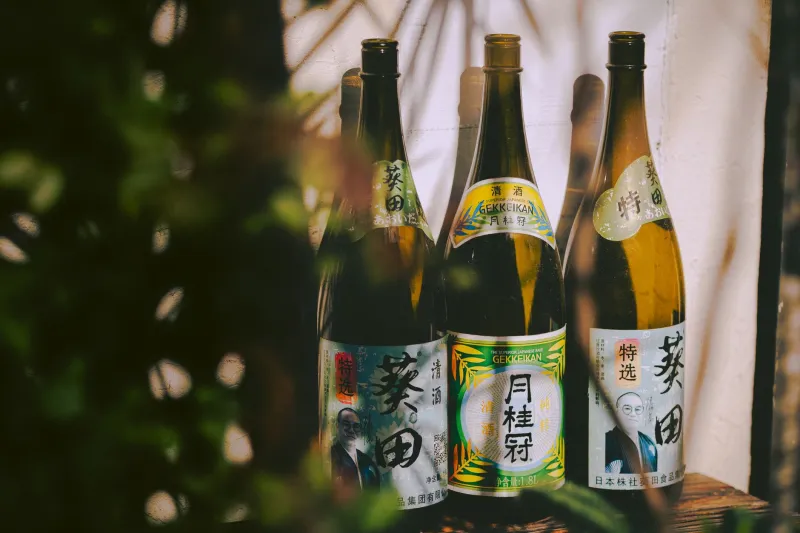
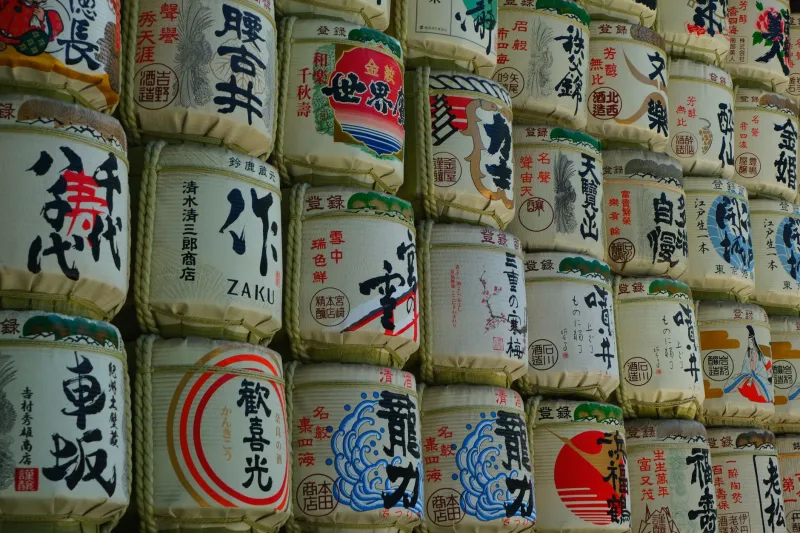
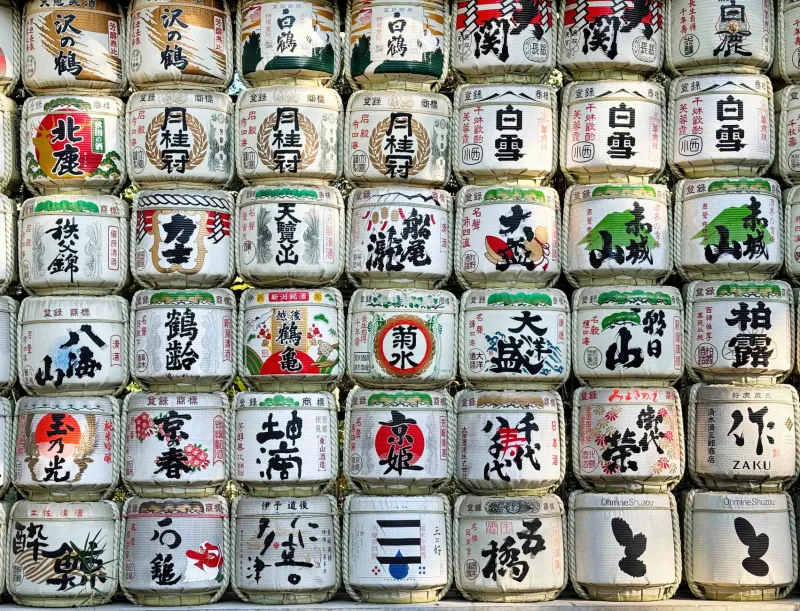
Three Bottles, One Revelation: How a Focused Kochi Tasting Unlocks Your Flavor DNA
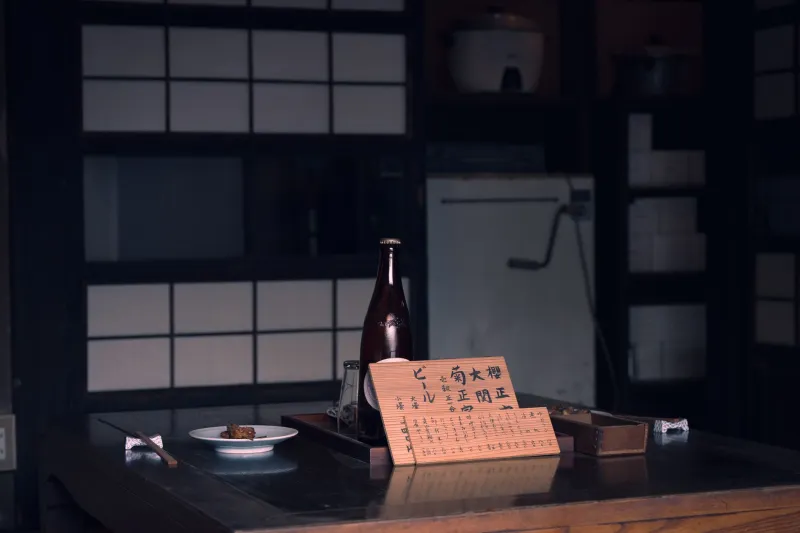
Here's a situation a lot of people find themselves in: they've heard great things about Kochi sake, maybe from a friend or a bartender who wouldn't stop talking about it, and they decide to dive in. So they order a bunch of bottles, drink them in no particular order, enjoy some and feel confused by others — and walk away with no clearer picture of what they actually like. Sound familiar?
There's a better way. Instead of treating your first Kochi exploration like a random sampler, you can run a mini tasting that's actually designed to teach you something. Three bottles. Three distinct styles. One focused evening. What you discover will do more for your future buying decisions than any tasting note ever written by someone else.
This is the story of how that tasting works — and what it tends to reveal.
Why Kochi? Why These Three Styles?
Kochi sake has a reputation for being bold, dry, and uncompromising. That reputation is earned. The prefecture sits on the Pacific coast of Shikoku island, far from the polished mainstream sake corridors of Niigata or Nada. Kochi brewers have historically made sake for hard-drinking fishing communities and outdoor workers — people who wanted something that cut through fatty food, stood up to salt, and didn't disappear the moment it hit the palate.
That legacy shaped a sake culture unlike anywhere else in Japan. But Kochi isn't just one thing. Within that bold, dry identity, there's real range — enough range to help you figure out exactly where your preferences live.
The three styles we're using as anchors are: dry and clean, rich and savory, and wild and funky. Think of them as three coordinates on a flavor map. Your reactions to each one will tell you which direction to head next.
Bottle One: Dry and Clean — The Baseline
Start here. A dry, clean Kochi junmai or junmai ginjo is the best possible entry point because it strips away complexity and gives you the foundation. Look for something with a high nihonshu-do (sake meter value) — a number that indicates dryness — and minimal added sweetness.
Meet Jess, a Portland-based graphic designer who went through this tasting on a Friday night with her partner. She'd had sake before at sushi restaurants, but never really paid attention to what she was drinking. She poured the first bottle slightly chilled, the way a local sake shop employee had suggested.
"It tasted almost like really clean water at first," she said. "Then this dry, almost mineral thing came through at the back of my throat. Not harsh. Just... precise."
That precision is what you're listening for with Bottle One. Notice whether the dryness feels refreshing or flat. Does the finish leave you wanting more, or does it feel like it ends too abruptly? If you find yourself reaching for another sip because the clean finish is satisfying, that's data. If you feel like something is missing, that's data too.
Jess felt like something was missing. Which made Bottle Two very interesting.
Bottle Two: Rich and Savory — The Depth Check
A junmai with lower filtering or a slightly older profile — sometimes called yamahai or kimoto style — brings something completely different to the glass. These are Kochi sakes that lean into umami, a rounder texture, and a flavor profile that lingers. They're still dry in the Kochi sense, but there's weight behind them.
Jess poured the second bottle at room temperature, which is actually how many seasoned sake drinkers prefer yamahai-style pours.
"Oh," she said after the first sip. "This is what I was looking for."
The richness hit differently. There was something almost brothy about it — not in a weird way, but in the way that a really good miso soup has depth that plain broth doesn't. She described it as "filling in the outlines" of the first bottle.
If you have a similar reaction to Bottle Two, you're probably a texture-forward drinker. You likely prefer wines with body, cocktails that aren't too stripped down, and food that has some fat and umami in it. You're going to gravitate toward junmai and yamahai Kochi sakes for most occasions, and you'll probably find heavily filtered ginjo styles a little thin over time.
If Bottle Two feels heavy or muddy compared to Bottle One, you're a clarity drinker. You want precision over richness, and you'll probably build a collection around cleaner, higher-polish styles.
Bottle Three: Wild and Funky — The Edge Test
This is where it gets interesting. Kochi has a tradition of producing sake with real character — sometimes described as earthy, barnyard-adjacent, or intensely aromatic in ways that don't fit neatly into a tasting note. Some of this comes from specific yeast strains, some from production methods, and some from the sheer fact that certain Kochi brewers are just doing their own thing.
Bottle Three should be something that makes you work a little. A nigori (cloudy) Kochi sake, a nama (unpasteurized) pour, or something from a smaller independent brewery that's known for pushing flavor profiles — any of these will do the job.
Jess's reaction was immediate and divided. "Half of me wanted to put it down," she admitted. "The other half couldn't stop thinking about what it reminded me of."
That divided reaction is actually the most useful data point of the three. If you lean into Bottle Three despite its intensity — if the funkiness reads as interesting rather than off-putting — you're an edge drinker. You'll want to explore Kochi's more experimental brewers, seasonal releases, and limited runs. Your sake shelf is going to look very different from someone who loved Bottle One and tolerated Bottle Two.
If Bottle Three makes you recoil, that's fine. You now know your limit, and you can build a collection that stays comfortably inside it.
What the Sequence Teaches You
The order matters more than most people realize. Starting with clean and dry calibrates your palate before you add complexity. Moving to rich and savory tests whether you want more substance. Ending with wild and funky pushes the boundary and shows you exactly where your edge is.
By the time Jess finished her three pours, she had a clear picture: she's a richness-forward drinker who wants depth and umami, can handle some funk in small doses, and finds ultra-clean styles a bit underwhelming. That's a genuinely useful framework. She walked into her next sake purchase knowing to look for yamahai-style Kochi bottles and to avoid anything labeled as highly refined or filtered.
Three bottles taught her more than a dozen random ones would have.
Building From Here
Once you've done this tasting, you're not starting from zero anymore. You have a direction. Kochi sake is wide enough and varied enough that every palate type finds something to love — but knowing which corner of that spectrum you live in means you stop buying bottles that disappoint you and start building a collection that actually reflects who you are as a drinker.
That's not a small thing. That's the whole point.