Your First Kochi Sake: A No-Nonsense Buying Guide That Actually Matches Your Taste
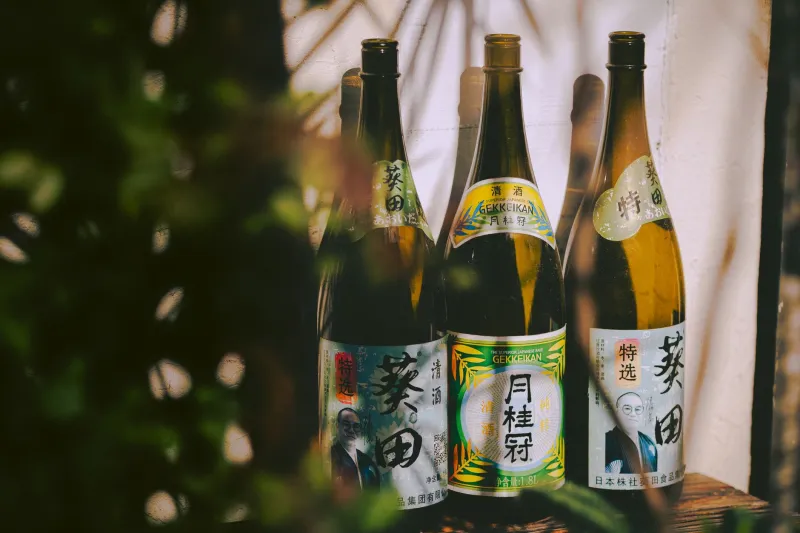
Here's a situation a lot of people find themselves in: you've heard that Kochi sake is something special, maybe from a friend, a bartender, or some corner of the internet that actually has good taste. You walk into a shop — or open a browser tab — and suddenly you're staring down a wall of bottles with labels you can't read, terms like junmai daiginjo floating around, and zero idea where to start.
We've been there. And honestly, that moment of paralysis is one of the main reasons people just... give up and grab a bottle of wine instead.
Don't do that. Kochi sake is worth the five extra minutes it takes to figure out what you're looking for. And that's exactly what this guide is — a practical, no-fluff decision tree that starts with what you already know about your own palate and ends with a specific bottle in your hand.
First Question: Do You Like Things Bold or Do You Prefer Something More Subtle?
This is the fork in the road. Kochi sake has a reputation for being karakuchi — dry and assertive — but that doesn't mean every bottle is going to hit you like a slap. There's real range here, and knowing which direction you lean changes everything about where you should start.
If you like bold, full-flavored drinks — think whiskey on the rocks, a big red wine, or a really hoppy IPA — you're probably going to vibe immediately with Kochi's dry, high-acidity style. These sakes tend to be clean and sharp on the finish, with a savory depth that makes them dangerously easy to drink with food.
If you usually reach for something lighter — a crisp white wine, a pilsner, a gin and tonic — you might want to ease in with a sake that's a little more restrained. Still dry, still distinctly Kochi, but with a softer entry point.
Second Question: Sweet, Dry, or Somewhere in Between?
Kochi is famous for its dry sake, so if you've already decided you want something sweet, just know you're going slightly against the regional grain — but that's okay. A few breweries do produce slightly sweeter expressions, especially in their nigori (cloudy) or fruit-forward seasonal releases.
For most first-timers, though, the answer is probably somewhere in the middle. Not sweet like dessert, but not austere either. That middle lane is actually where a lot of Kochi's best entry-level bottles live, and it's a great place to start.
The Bottles Worth Buying First
Here are four solid entry points — each from a different Kochi brewery, each hitting a slightly different spot on the flavor spectrum.
1. Suigei "Tokubetsu Junmai" — For the Bold-and-Dry Crowd
Suigei translates to "drunken whale," which tells you something about the vibe. This is probably the most widely distributed Kochi sake in the US, which means it's also the easiest to find — check your local Japanese grocery store or a well-stocked liquor shop in any major city. The Tokubetsu Junmai is a great starting point because it delivers that signature Kochi dryness without being harsh. There's a clean rice flavor, a bright acidity, and a finish that just disappears. Drink it slightly chilled with grilled fish, sushi, or honestly, just a bowl of edamame. If you like this one, you're going to love going deeper into Kochi sake.
Where to find it: Widely available at Japanese specialty retailers and through online sake shops like Tippsy Sake or True Sake.
2. Keigetsu "Junmai Ginjo 50" — For the Subtle-Entry Crowd
Keigetsu is a brewery that's been doing things quietly and well for a long time. Their Junmai Ginjo 50 is polished and approachable — a little more aromatic than the Suigei, with faint notes of melon and a gentle floral quality that doesn't overstay its welcome. The finish is still dry, still distinctly Kochi, but the entry is softer. If you're coming from white wine or lighter spirits, this is probably your bottle. It's also a solid dinner party pick because it tends to win over people who claim they don't like sake.
Where to find it: Available through most online sake retailers; some Whole Foods locations with expanded sake sections carry it as well.
3. Tosatsuru "Azure" Junmai Daiginjo — For the Occasion Drinker
Maybe you're not just buying a bottle for a Tuesday night — maybe you've got something to celebrate, or you want to impress someone. Tosatsuru's Azure is the bottle for that moment. It's a junmai daiginjo, meaning the rice has been polished more extensively, and the result is something noticeably elegant. There's a delicate sweetness on the nose, but the taste is still clean and dry. It's the kind of sake that makes people pause mid-sip and say "wait, what is this?" in the best possible way. Yes, it costs a little more. Yes, it's worth it.
Where to find it: Available through Tippsy Sake and select Japanese restaurants that sell retail bottles.
4. Bungo "Kochi Junmai" — For the Adventurous Beginner
If the other three feel a little safe, this one's for you. Bungo leans into Kochi's wilder side — there's more texture here, a slightly earthier quality, and an acidity that's almost citrusy. It's not the most polished sake on this list, but it's one of the most interesting. Drink it with something fatty — yakitori, pork belly, a really good cheeseburger — and it clicks into place in a way that's hard to explain until you experience it. This is the bottle that tends to turn casual drinkers into actual sake enthusiasts.
Where to find it: Less widely distributed, but available through specialty sake importers online; worth asking your local shop to order if they don't carry it.
One More Thing Before You Buy
Serving temperature matters more than most people realize. All four of these bottles are good slightly chilled — somewhere around 45-50°F, which is a touch warmer than your average refrigerator. If you want to go the extra mile, try the Suigei or Bungo slightly warm (not hot) — around 100-105°F — and notice how the flavor opens up differently. It's a whole other experience.
And here's the honest truth about starting a Kochi sake journey: the first bottle is just the beginning. Once you find the one that clicks, you'll want to explore the brewery's other expressions, then the other breweries, then the seasonal releases. It's a rabbit hole in the best possible way.
Start with one bottle. See what happens. We're pretty confident you'll be back.