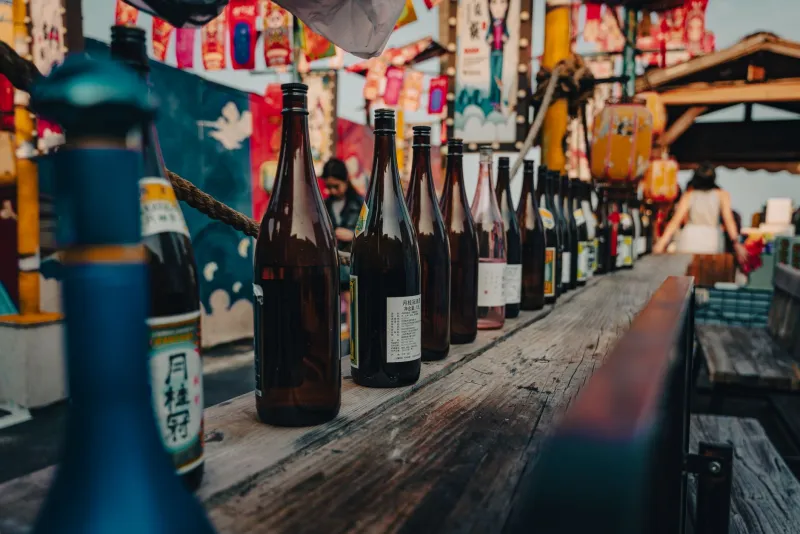
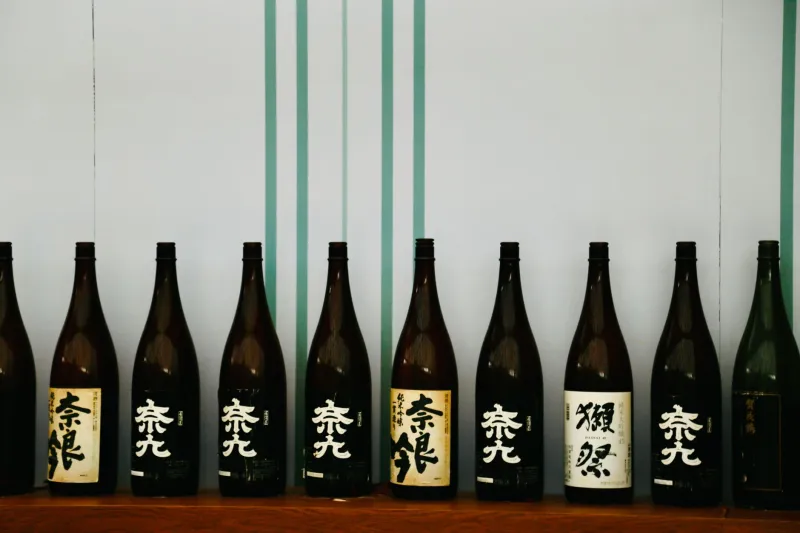
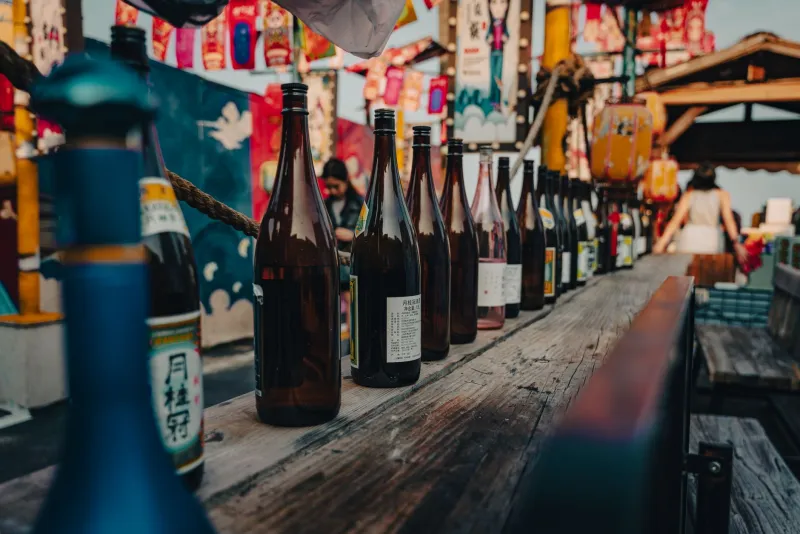
Behind the Bar: How Kochi Sake Became the Secret Weapon American Mixologists Can't Stop Reaching For
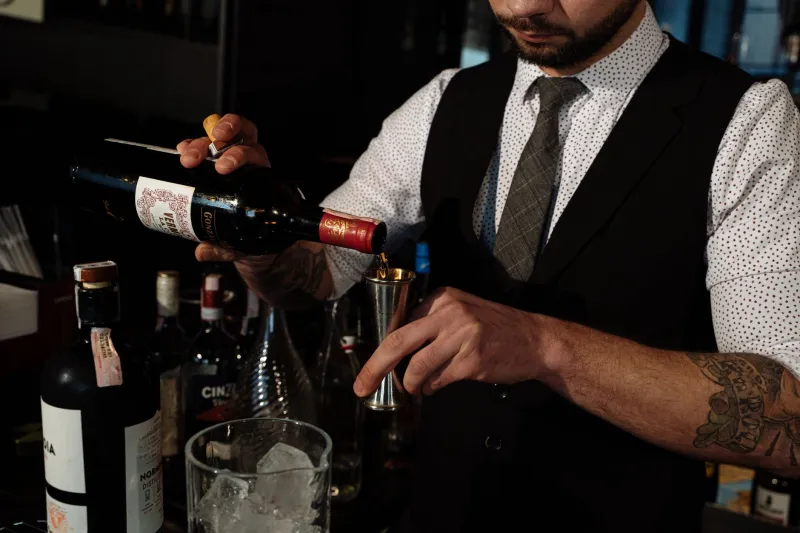
There's a moment in every bartender's career when the standard playbook starts to feel a little tired. The same gin botanicals, the same rye expressions, the same vermouth ratios. You know the drill. Lately, though, something interesting is happening behind the sticks at some of America's most talked-about cocktail bars — and it's coming from a corner of Japan most people couldn't find on a map.
Kochi sake is showing up in craft cocktail programs from Brooklyn to Silver Lake, and the bartenders who've discovered it aren't exactly keeping it a secret anymore.
Why Bartenders Are Looking Beyond the Usual Suspects
The craft cocktail movement has always been about pushing boundaries. But after years of barrel-aged everything and farm-to-glass shrubs, a certain creative fatigue has set in. Bartenders are hungry for ingredients that genuinely surprise them — flavors that don't fit neatly into existing templates.
Kochi sake, with its famously dry, clean, and almost aggressive drinkability, offers exactly that kind of disruption. Unlike many sake styles that lean sweet or heavily umami-forward, Kochi's regional character — shaped by the prefecture's pristine river water and a brewing culture that prizes boldness over subtlety — delivers something bartenders describe as endlessly workable.
"It's not trying to be wine, it's not trying to be a spirit, and it's definitely not trying to be what most Americans think sake is," says one bartender at a well-known Japanese-influenced bar in Manhattan's East Village. "It has this clean, dry backbone that holds up in a cocktail in ways I genuinely didn't expect the first time I tried building with it."
What Kochi Sake Actually Brings to the Glass
To understand why it's catching on behind the bar, you have to understand what makes Kochi sake distinct. The region's brewers have long embraced a philosophy of karakuchi — the dry, crisp style that locals have been drinking alongside their notoriously robust food culture for generations.
That dryness isn't harsh or stripped-down. It's layered. You get subtle fruit notes, a mineral quality that comes from some of the cleanest water sources in Japan, and a finish that lingers without overstaying its welcome. For a bartender, that translates to an ingredient that plays well with citrus, holds its own against bitter liqueurs, and doesn't get lost when paired with bold garnishes or complex syrups.
Some mixologists are leaning into the umami undertones of certain Kochi junmai expressions, using them as a base for savory cocktails that sit somewhere between a Bloody Mary and a classic martini. Others are building lighter, more aromatic drinks around ginjo and daiginjo styles, letting those delicate fruity esters do the heavy lifting in place of a floral gin.
Real Cocktails, Real Innovation
So what does this actually look like on a menu? A few examples that have been generating buzz:
The Kochi Mule — Swapping vodka entirely, some bars are building their take on the classic mule with a dry Kochi junmai, fresh yuzu juice in place of lime, and house-made ginger syrup. The result is more nuanced than the original, with a savory-sweet tension that keeps people ordering a second.
Karakuchi Negroni Riff — One Chicago bartender has been experimenting with replacing the gin component in a Negroni with a robust Kochi honjozo, keeping the Campari and sweet vermouth in place. The sake softens the bitterness just enough while adding an earthy, grain-forward depth that the original version simply can't replicate.
Highball, Elevated — The Japanese highball is already a beloved format, but bartenders are taking it further by using premium Kochi sparkling sake as both the base and the effervescent element, adding just a whisper of aromatic bitters and a wide citrus peel. Simple, but the kind of simple that makes you wonder why you haven't been drinking it this way all along.
The Conversation Is Changing
Part of what's driving adoption in the bar community isn't just flavor — it's storytelling. In an era when guests want to know where their ingredients come from and what makes them special, Kochi sake offers a narrative that's genuinely compelling.
Kochi Prefecture sits on the island of Shikoku, largely cut off from Japan's major urban centers by mountain ranges and coastline. That isolation has bred a distinct drinking culture — one where sake is consumed casually, communally, and in serious quantities. The local tradition of osaki (a kind of sake-driven social ritual) means Kochi brewers have always been making sake for real drinkers, not for shelf appeal.
That authenticity resonates with American bar guests who've grown skeptical of overly curated, marketing-driven beverage programs. When a bartender can talk about a small Kochi brewery that's been operating the same way for a hundred years, using rice from local farms and water from mountain rivers, it lands differently than a story about a craft spirit distilled in an industrial park in New Jersey.
Getting Kochi Sake Into Your Program
For bartenders curious about working with Kochi sake, the learning curve is real but not steep. The most important thing is to taste widely before committing to a cocktail application. A lighter ginjo might be perfect for a delicate, low-ABV aperitivo situation, while a full-bodied junmai can anchor something boozy and complex.
Distribution of Kochi-specific sake in the US has improved significantly over the past few years, with specialty importers bringing in bottles from breweries like Tosatsuru and Suigei that were previously hard to find outside Japan. Many Japanese grocery stores in major cities now stock a rotating selection, and a handful of dedicated sake importers are actively courting restaurant and bar accounts.
The price point is also worth noting. Premium Kochi sake typically comes in at a cost that's competitive with mid-tier craft spirits — which means the math works out for bar programs that want to offer something genuinely distinctive without blowing up their pour costs.
The Bigger Picture
What's happening with Kochi sake in American cocktail culture is bigger than a trend. It's a signal that the most creative bartenders in the country are actively looking outside the traditional spirits world for inspiration — and finding it in places they weren't taught to look.
Kochi's brewers didn't set out to become the darlings of the American cocktail scene. They were just making sake the way they've always made sake: bold, dry, unapologetic. The fact that it translates so well into a shaker is almost a happy accident. But for the bartenders who've discovered it, it feels less like an accident and more like the ingredient they didn't know they'd been waiting for.