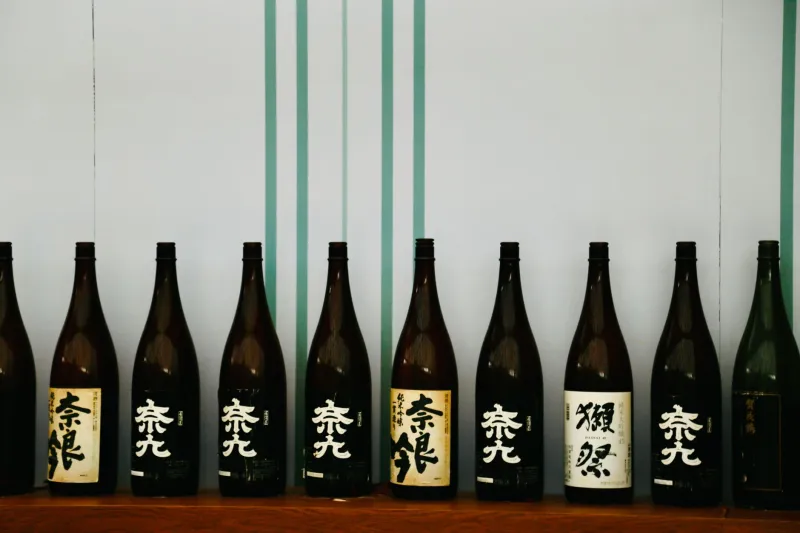
Already Know What You Love to Drink? Let That Be Your Guide to Kochi Sake
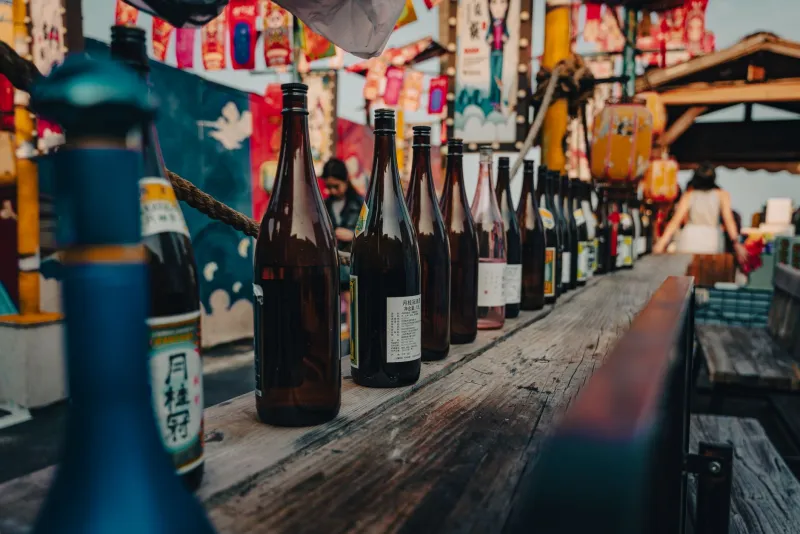
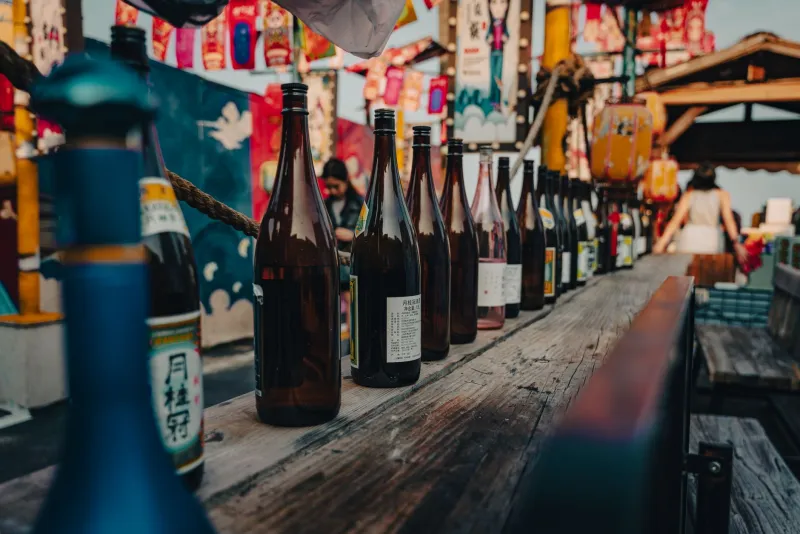
Here's the thing about trying sake for the first time: most people approach it like they're studying for a test. They Google terms like "junmai daiginjo" and "mondo" and "SMV" and then quietly close the tab and pour themselves a beer instead. Totally understandable. But there's a much easier way in — one that starts with what's already in your glass.
Kochi sake has a reputation for being bold, dry, and unapologetically expressive. The prefecture sits on Japan's Pacific coast, surrounded by mountains and rivers, and its brewing culture reflects that rugged, go-your-own-way attitude. What that means practically is that Kochi produces a wider range of flavor profiles than most regions — which is actually great news if you're trying to find your footing. Whatever you already drink, there's probably a Kochi sake that speaks your language.
Let's break it down.
If You're a Whiskey Drinker
Bourbon fans, Scotch lovers, rye enthusiasts — welcome. You're going to feel right at home with aged Kochi sake, particularly styles that have spent time in cedar tanks or gone through extended maturation. These bottles develop a warmth and depth that mirrors the barrel-forward complexity you already love. Look for koshu (aged sake) from Kochi breweries, which can carry notes of caramel, dried fruit, toasted wood, and even a faint smokiness depending on the producer.
The alcohol delivery is different — sake is sipped, not sipped-and-savored over ice the same way — but the satisfying weight on the palate? That's familiar territory. Start with something from a Kochi brewer that labels their aged expressions clearly, and try it slightly warmer than room temperature. That warmth opens up the flavors in a way that'll feel intuitive to anyone who's ever cupped a glass of good bourbon.
If You're a White Wine Person
Crisp Sauvignon Blanc drinker? Pinot Grigio on a Tuesday night? You're going to click immediately with Kochi's drier, lighter junmai styles. Kochi sake is famously karakuchi — dry — and many of the region's most celebrated bottles have a clean, mineral-forward finish that feels more like a Loire Valley white than anything you'd expect from rice wine.
Look for junmai or honjozo expressions described as "crisp" or "refreshing." Kochi brewers often chase a kind of lean elegance — not a lot of residual sweetness, plenty of acidity by sake standards, and a finish that doesn't linger too long. If you're someone who prefers wine that cuts through food rather than coats it, that profile is going to make a lot of sense to you. Serve it chilled, treat it like you'd treat a glass of white with dinner, and don't overthink it.
If You're a Craft Beer Fan
This one's fun, because craft beer drinkers tend to be curious by nature. They're already used to hunting for small-batch releases, debating flavor nuance, and trying things that push past the mainstream. That mindset translates perfectly to Kochi sake.
If you gravitate toward IPAs and love that bitter, hoppy punch, seek out Kochi sakes with a more assertive, savory character — something with umami depth and a dry, almost tannic finish. If you're more of a wheat beer or Belgian saison person, you might enjoy the slightly funky, yeast-forward expressions that some of Kochi's more experimental brewers are putting out. And if sours are your thing? The acidity in certain Kochi styles — particularly those using older fermentation methods — can scratch a similar itch.
The other good news: craft beer pricing has trained people to spend $20–$35 on a single bottle without flinching. A solid Kochi sake in that range is absolutely within reach, and the quality-to-price ratio tends to impress people who are used to the craft beer market.
If You're a Cocktail Drinker
Maybe you don't really do "straight" drinks. Maybe your default order is a negroni or a mezcal margarita or something with a lot going on. That's actually a great starting point for Kochi sake, because you're already wired to appreciate complexity and balance — you just haven't found the right format yet.
Start by using Kochi sake as a cocktail ingredient before you commit to drinking it straight. A junmai from Kochi swapped in for vermouth in a simple stirred cocktail is a revelation. Or try it as the base in a sake highball — just Kochi junmai over ice with a splash of sparkling water and a lemon twist. It's low-commitment, genuinely delicious, and it lets you get a feel for the flavor profile without any pressure.
Once you've tasted it in that context and realize you actually like what's happening, drinking it straight will feel like the obvious next step. Cocktail drinkers tend to come around to sake faster than almost any other category, because they're already comfortable with the idea that a drink can be interesting rather than just wet.
If You're a Red Wine Loyalist
Okay, this is the trickiest conversion, but it's not impossible. Red wine drinkers often want body, tannin, and that sense of substance on the palate — things that sake doesn't always deliver in the same way. But Kochi's richer, fuller junmai expressions — especially those served slightly warm — can offer a comparable sense of weight and presence.
The key is to find something with higher amino acid content, which gives the sake a more savory, almost meaty depth. Pair it with something robust — grilled meat, aged cheese, miso-glazed vegetables — and let the food do some of the bridging work. This pairing context is where Kochi sake tends to win over skeptical red wine drinkers, because the combination suddenly makes total sense in a way that drinking it alone might not.
The Bigger Point
You don't need to unlearn everything you know about drinking to enjoy Kochi sake. In fact, everything you already know is an asset. Your palate has opinions, and those opinions are useful. Kochi's brewing culture is diverse enough — bold enough, weird enough, and talented enough — that there's almost certainly a bottle that aligns with what you already love.
The only bad first move is not making one. Pick a lane from the list above, grab a bottle that fits the description, and see what happens. Worst case, you've tried something new. Best case, you've found a whole new category you didn't know you were missing.