Crack the Code: What Kochi Sake Labels Are Actually Telling You
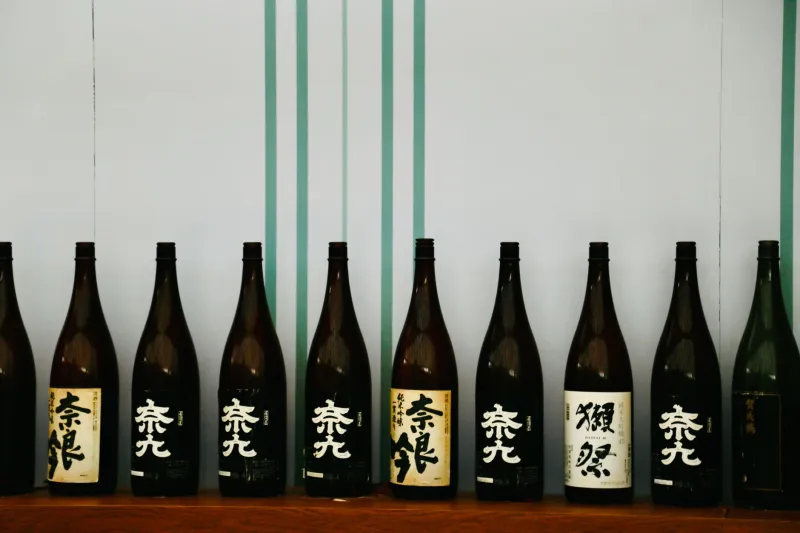
You've heard the buzz. Maybe a friend mentioned it at a dinner party, or you stumbled across a Kochi brewery name on a restaurant menu and thought, I should try that. But then you got to the store — or pulled up a retailer online — and froze. The labels are dense, the terminology sounds clinical, and nobody nearby is particularly eager to explain the difference between junmai and honjozo to someone who just wants a good bottle.
Here's the thing: Kochi sake labels are actually packed with useful information. Once you know what to look for, they stop feeling like a wall of text and start feeling like a cheat sheet. This guide is about getting you to that point — before you buy anything.
Start With the Grade: It's Not About Prestige, It's About Process
The first thing most labels will tell you is what category of sake you're holding. In Japan, sake is officially classified based on how the rice is milled and whether any distilled alcohol has been added. Those two factors alone create the main tiers you'll see on bottles:
Junmai means "pure rice." No added alcohol, no shortcuts. The flavor tends to be rounder and fuller, with more of that savory, umami-forward character that Kochi sake is particularly known for. If you see Junmai Ginjo or Junmai Daiginjo, that just means the rice was milled further — ginjo to at least 40% of its original size, daiginjo to 50% or less. More milling generally means a lighter, more aromatic style.
Honjozo has a small amount of distilled alcohol added — not to make it stronger, but to adjust texture and aroma. It often comes out cleaner and crisper than junmai. For Kochi's dry, food-friendly style, honjozo can be a fantastic entry point.
Futsushu is table sake, the everyday stuff. It's not a lesser category — it's just less regulated. Some of Kochi's most beloved local drinking traditions involve casual futsushu shared at izakayas.
When you're browsing, start by identifying which of these categories you're looking at. That single piece of information tells you a lot about the brewing philosophy behind what's in the bottle.
The Kochi Factor: Why SMV Matters More Here Than Almost Anywhere
Here's where Kochi sake gets interesting. You'll often see a number on the label marked SMV or, in Japanese, Nihonshu-do. This is the Sake Meter Value, and it measures sweetness versus dryness on a scale that runs roughly from -15 (very sweet) to +15 (very dry).
Kochi has a regional reputation for going dry — and not just a little. It's common to see SMV values of +5, +8, or even higher on bottles from this prefecture. Breweries like Suigei (whose name literally translates to "Drunken Whale") have built their identity around that bold, dry profile. Tosa Tsuru, another well-known Kochi label, leans similarly crisp.
That dryness isn't just a stylistic quirk. It reflects the local drinking culture — Kochi people are legendary for their love of communal drinking games and long, food-forward meals, and a clean, dry sake doesn't overwhelm the palate between bites. Understanding SMV helps you predict how a bottle will feel before you've tasted a drop.
Acidity: The Number Nobody Talks About (But Should)
Right alongside SMV, some labels list an acidity value — typically between 1.0 and 2.0. Higher acidity means a sharper, more structured sake. Lower acidity reads as softer and more mellow.
Kochi sake tends to run on the higher end of this scale. That elevated acidity is part of what makes it such a natural companion for food — it cuts through fat, brightens sauces, and keeps your palate refreshed. If you're used to drinking wine, think of it like the difference between a Chablis and a California Chardonnay. Kochi's acidity gives it that Chablis-like precision.
When you're comparing two bottles and can't decide, look at the acidity number. If you're pairing with rich food, go higher. If you're sipping on its own, something in the middle might feel more comfortable.
Reading the Brewery Name (And Why It Helps to Know a Few)
Kochi has around 18 active sake breweries — a surprisingly small number for a prefecture with such an outsized reputation. That means the names come up repeatedly, and it's worth getting familiar with a few before you shop.
- Suigei Brewery — One of the most exported Kochi labels in the US. Known for very dry, clean profiles. A great reference point for understanding what "Kochi style" means.
- Tosa Tsuru — Another widely available name, with a reliable range of junmai and honjozo expressions.
- Kikusui (the Kochi version, distinct from other breweries sharing similar names) — Worth noting if it appears on a label, as regional namesakes can cause confusion online.
- Toichi Brewery — A smaller producer with a more artisanal profile, occasionally found through specialty importers.
Knowing these names means you're not starting from zero when you walk into a Japanese grocery store in LA or New York, or when you're scrolling through a site like Tippsy or True Sake.
The Label's Fine Print: What Else to Look For
A few more details worth scanning before you commit:
Rice variety — Some labels list the specific sake rice used. Yamada Nishiki is the most famous, often producing elegant, refined sake. Gin no Yume is a rice variety developed specifically in Kochi and shows up on bottles that are leaning into local identity. Seeing a regional rice variety is often a good sign that the brewery is serious about their craft.
Polishing ratio (seimaibuai) — Usually listed as a percentage. Lower numbers mean more of the rice was milled away, which typically means a lighter, more refined flavor. A 60% polishing ratio means 40% of the grain was removed.
Storage and serving temperature — Some bottles will indicate whether the sake was stored unpasteurized (namazake) or aged. Namazake is lively and fresh; it needs refrigeration and should be consumed relatively quickly. Aged sake (koshu) has a deeper, sometimes amber-toned character.
You Don't Need to Memorize Everything — Just Anchor on Three Things
Before your first purchase, get comfortable with three data points: the category (junmai, honjozo, etc.), the SMV (dry or sweet?), and the brewery name (is it one you recognize?). Those three things will get you 80% of the way to a confident decision.
The rest — rice variety, polishing ratio, acidity — comes with time. The more Kochi sake you taste, the more those numbers start to mean something personal. You'll start to notice that you always reach for the +7 SMV bottles, or that namazake consistently excites you more than the standard-pasteurized versions.
But you can't get there without starting somewhere. And now you've got enough to take that first step without feeling lost in translation.