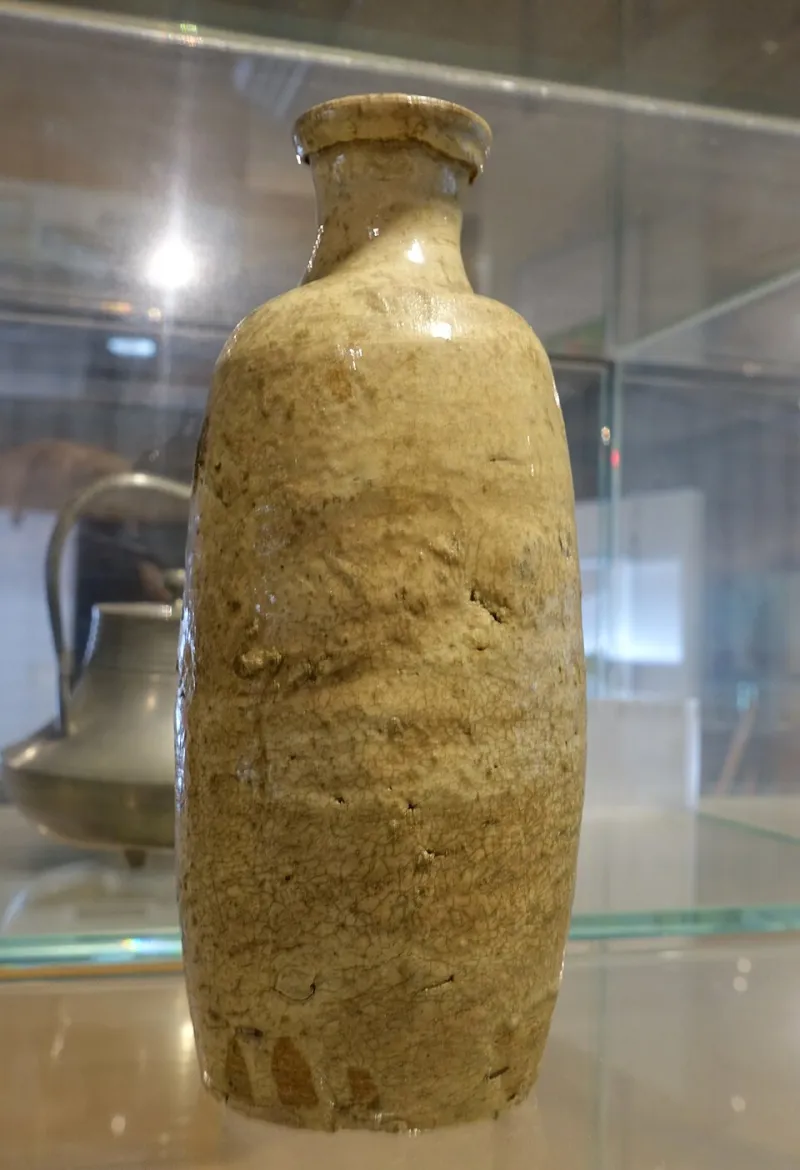
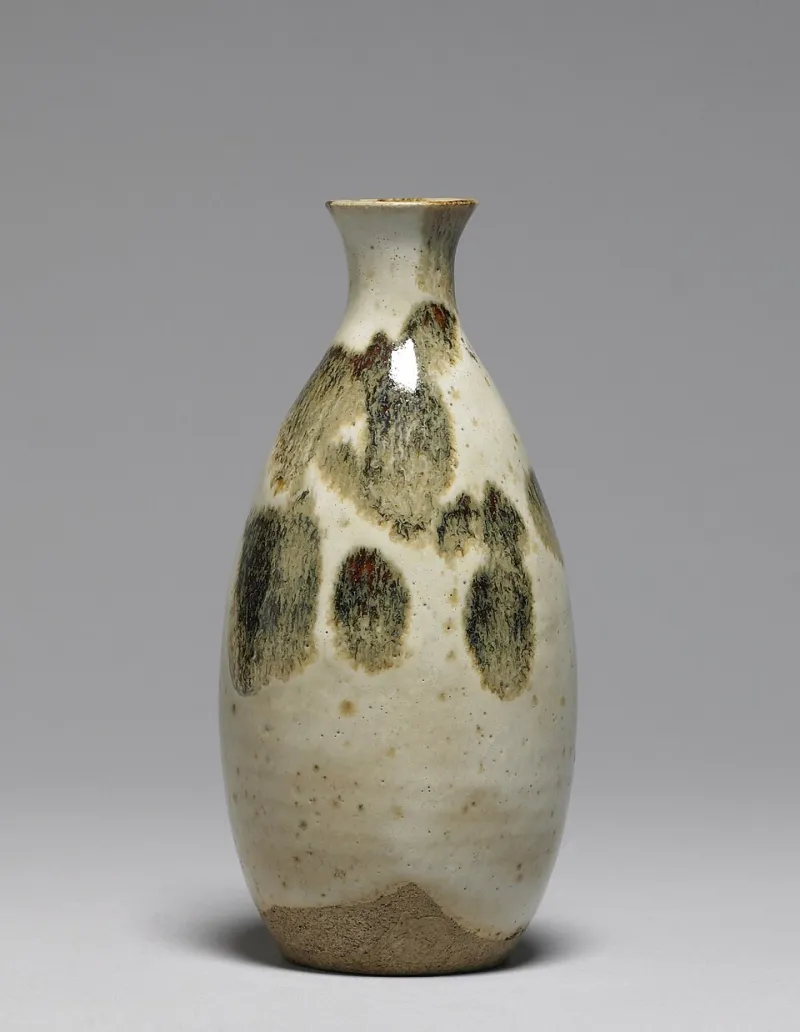
Amino Acids and Appetite: The Real Science Behind Why Kochi Sake Makes Every Dish Taste Better
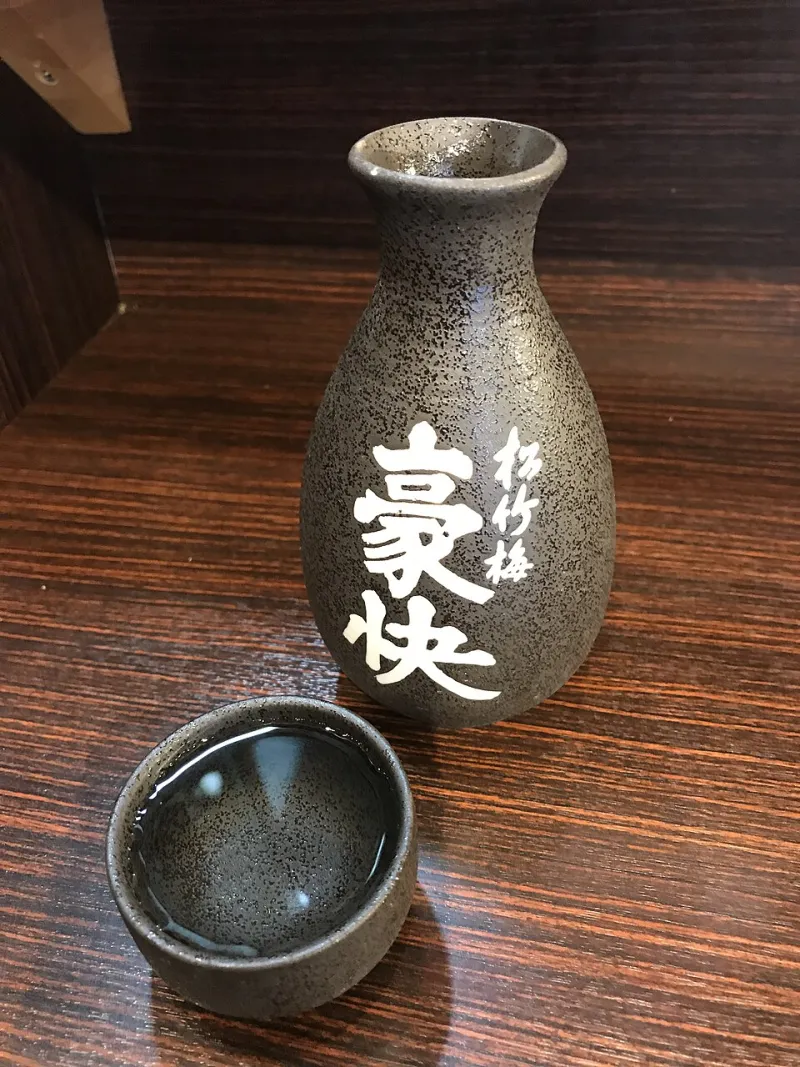
Photo: shankar s., CC BY 2.0, via Wikimedia Commons
Let's start with something that might sound a little nerdy but will absolutely change how you drink: sake is loaded with amino acids. Not in some vague, supplement-label kind of way. We're talking measurable, taste-active compounds that interact directly with the food on your plate. And Kochi sake, specifically, has more of them than almost anything else you'd pour at dinner.
Wine fans, this one might sting a little. But stick with it, because understanding what's actually happening in your glass is the fastest path to eating — and drinking — better.
What Even Is Umami, and Why Should You Care?
If you've ever finished a bowl of miso soup and felt deeply, inexplicably satisfied even before the main course arrived, you've met umami. It's the fifth basic taste — alongside sweet, salty, sour, and bitter — and it's triggered by glutamate, an amino acid found naturally in aged cheeses, cured meats, mushrooms, soy sauce, and a whole lot of your favorite comfort foods.
The thing about umami is that it doesn't just taste good on its own. It amplifies everything around it. A little glutamate in a broth makes the broth taste more like itself. It deepens savory notes, rounds out bitterness, and makes flavors linger on the palate longer. Chefs have been chasing this effect for decades — it's why parmesan rinds go into pasta sauce and why a splash of fish sauce makes a burger taste like a meal you'll remember.
Here's where sake enters the picture.
The Brewing Process That Accidentally Built a Flavor Machine
Sake is made through a simultaneous fermentation process where the koji mold breaks down rice starches into sugars while yeast converts those sugars into alcohol. That koji step is key. As the mold works through the rice, it produces enzymes that generate a significant volume of amino acids — including glutamate.
Kochi breweries, many of which have been operating for well over a century, have historically favored brewing styles that push fermentation hard and long. The result is sake with a higher amino acid content than you'd typically find in lighter, more delicate styles from other regions. These aren't accidental byproducts. They're baked into the character of what Kochi brewers have always made: bold, dry, and built to stand up to food.
The local drinking culture backs this up. Kochi is famous across Japan for its food-forward sake traditions — the kind of place where sake is poured specifically to eat alongside something, not sipped in isolation. That culture shaped the product. And the product, it turns out, is biochemically optimized for exactly what those drinkers were doing.
So Why Does Wine Lose This Particular Battle?
Wine has plenty going for it. Acidity cuts through fat, tannins create contrast with protein, and the fruit character of a good bottle brings its own complexity. Nobody's arguing wine is bad at pairing. But wine is working against a specific structural disadvantage when umami-heavy dishes are on the table.
Tannins — especially in red wines — have a documented tendency to clash with glutamate. The interaction can make both the wine and the food taste more bitter and less cohesive. It's why a big Cabernet can feel weirdly aggressive alongside a bowl of ramen or a plate of aged cheddar, even though those are theoretically rich, bold foods that should welcome a rich, bold wine.
Sake has no tannins. What it has instead is a naturally synergistic amino acid profile that doesn't fight the glutamate in your food — it joins it. The result is a pairing dynamic that feels less like contrast and more like harmony. The sake and the dish finish each other's sentences.
The Tasting Experiment Worth Running at Home
You don't need a lab to feel this working. Try it yourself with a few easy setups.
Round one: ramen. Pour a dry Kochi junmai alongside a bowl of tonkotsu or miso ramen. Take a sip of sake, then a spoonful of broth. The broth should taste deeper and more savory after the sake — not washed out or disrupted. Now try the same thing with a light red wine and notice how the broth's umami suddenly feels flatter or slightly metallic.
Round two: a good burger. Not a fast food situation — something with real beef, maybe some caramelized onions, sharp cheddar. A Kochi sake with some texture and amino acid richness will make the beef taste beefier. The cheese will taste more aged. The whole thing will feel more coherent. A tannic red might fight the char on the patty.
Round three: mushrooms. Roasted portobellos, a mushroom risotto, even a simple sautéed shiitake situation. Mushrooms are glutamate bombs. Sake from Kochi is an amino acid delivery system. This pairing is almost unfairly good.
Heritage Breweries and the Quiet Optimization
What makes this story particularly interesting is that Kochi's brewers weren't sitting around reading biochemistry papers. They were responding to their customers, their local cuisine, and generations of feedback about what tasted right. The science just explains why the instincts worked.
Breweries like Kikusui and others in the Tosa region have maintained brewing traditions that prioritize depth and dryness — a style called karakuchi — which naturally results in sake with more developed amino acid profiles. When you drink a well-made Kochi junmai, you're tasting hundreds of years of unconscious optimization toward exactly the kind of flavor compatibility this article is describing.
That's not marketing language. That's fermentation doing its job the way it's been done in this corner of Japan for a very long time.
How to Use This Information at Your Next Meal
You don't need to memorize the chemistry. The practical takeaway is simpler: when you're eating something savory, rich, or deeply seasoned, reach for a Kochi sake instead of defaulting to wine. The more umami-forward the dish, the more dramatically the sake will improve it.
This applies across cuisines. Korean BBQ, American steakhouse sides, Italian pasta with anchovy, a wedge salad loaded with blue cheese dressing — any of these dishes carry significant glutamate content, and any of them will respond to a dry, amino-acid-rich Kochi sake the way a great ingredient responds to a great technique. It just works better.
Wine has its moments. But at the umami-heavy end of the flavor spectrum, Kochi sake isn't just competitive — it's playing an entirely different game, and it's winning by a significant margin. The amino acids have been doing this quietly for centuries. Now you know why.