From Tokyo Import to American Obsession: The Unlikely Rise of Kochi Sake
Nobody Saw This Coming
Let's be honest. Five years ago, if you walked into a mid-tier American restaurant and asked for a Kochi sake by name, you'd probably get a blank stare and a wine list. Kochi was a niche obsession for a very specific kind of Japan-obsessed drinker — the type who kept a spreadsheet of brewery names and planned vacations around toji schedules. The mainstream? Not even close.
Then something shifted. And it shifted fast.
Today, Kochi sake shows up on cocktail menus in Austin, gets name-dropped in food podcasts out of Brooklyn, and has become the go-to flex for chefs who want to signal that they actually know what's happening in the beverage world. The prefecture that most Americans couldn't locate on a map is now one of the most talked-about sources of premium sake in the country. So what actually happened?
The Chef Endorsement That Changed Everything
It didn't start with an ad campaign. It started in kitchens.
A handful of influential American chefs — the kind who travel to Japan not for sushi tours but for research — came back from Kochi raving about the boldness of the local sake. Unlike the delicate, almost whisper-quiet profiles that had defined a lot of the sake Americans were already familiar with, Kochi's versions were loud. Umami-forward. Dry in a way that cut through fat and acid without apology. Chefs who were already wrestling with how to build more interesting non-wine beverage programs suddenly had a story to tell.
When those chefs started putting Kochi bottles on their tasting menus — and talking about them in interviews — their audiences listened. Food media ran with it. A few well-timed features in major culinary publications framed Kochi sake not as an exotic curiosity but as a legitimate alternative to natural wine. That framing was everything.
Social Media Did the Heavy Lifting
Here's the part nobody in the traditional sake industry fully anticipated: TikTok.
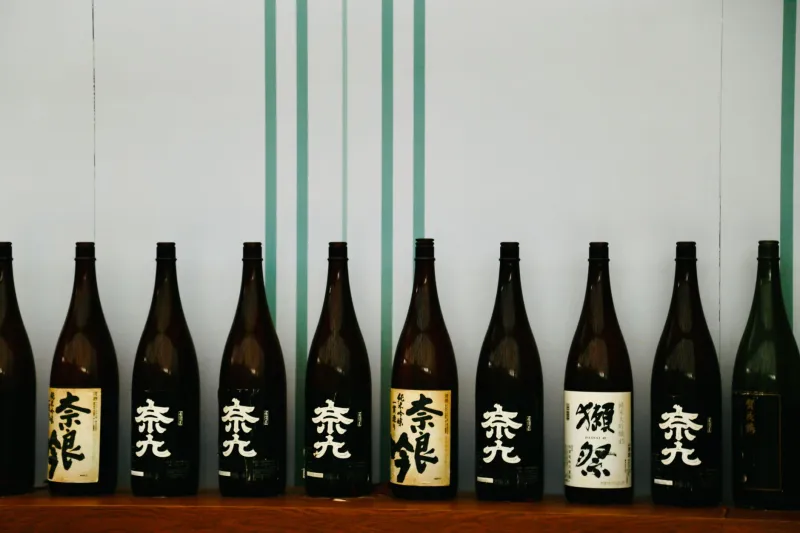
A wave of short-form content creators — some with serious credentials, some just enthusiastic drinkers — started posting Kochi sake discovery videos. The format was perfect for it. The regional story was compelling. The bottles were photogenic. And the reactions were genuinely dramatic in a way that played well on camera. People weren't just sipping and nodding; they were surprised by what they tasted.
That surprise factor matters. Kochi sake has a way of defying expectations, especially for drinkers who assumed all sake tasted vaguely similar. When someone who normally drinks bourbon tries a Kochi junmai and actually likes it, that's a shareable moment. Multiply that by a few hundred thousand views across multiple creators, and you've got organic reach that no marketing budget could have manufactured.
Instagram played its part too, but the TikTok pipeline was what introduced Kochi sake to drinkers who had never set foot in a Japanese restaurant and weren't looking for sake at all.
The Importer Problem Nobody Talks About
All of this enthusiasm created a very real supply crunch. Kochi's breweries are not large. Many of them are generational family operations that produce a few hundred to a few thousand cases per year. They weren't built to scale for sudden American demand, and most didn't want to be.
Smart importers who had been quietly building relationships with Kochi breweries for years suddenly found themselves sitting on some of the most sought-after allocations in the country. A few newer importers scrambled to get in, but the best producers were already spoken for. This created a secondary effect that actually helped the mystique: scarcity made Kochi sake feel special, even to people who had never tasted it.
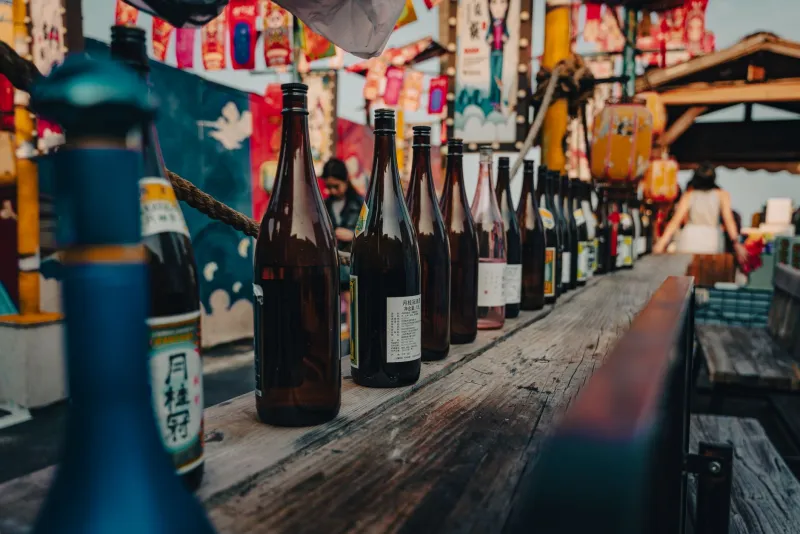
For American drinkers, that scarcity translated into a hunt. Finding a good Kochi bottle became part of the experience — something to brag about, a discovery worth sharing.
Is This Sustainable, or Are We Heading for a Backlash?
Here's where it gets complicated, and where it's worth being honest about what's actually happening.
Trends in American beverage culture move fast. Mezcal had its moment. Natural wine had its moment. Hard seltzer had its moment. Some of those moments matured into genuine cultural shifts; others deflated quickly once the novelty wore off. The question everyone in the Kochi sake world is quietly asking is: which category are we in?
The optimistic case is strong. Unlike a lot of trend-driven categories, Kochi sake has genuine depth behind it — centuries of brewing tradition, a distinct regional identity, and a flavor profile that holds up under scrutiny. Drinkers who come in through the hype and actually explore the category tend to stay. The learning curve is real but rewarding, and that tends to build lasting loyalty.
The pessimistic case is also worth considering. If demand outpaces supply and importers start substituting lower-quality products to meet market appetite, the reputation could erode fast. And if the food media moves on to the next thing before American consumers have built a real relationship with the category, the mainstream moment could fade without leaving much behind.
The honest answer is probably somewhere in the middle: Kochi sake is likely to settle into a smaller but more committed audience than its current peak buzz suggests — and that's actually fine. A dedicated following of informed American drinkers who seek it out intentionally is more valuable to Kochi's breweries than a fleeting wave of casual interest.
Why You Should Actually Care About the Difference
If you're reading this and wondering whether to bother engaging with Kochi sake at all given the noise around it, here's the straightforward answer: yes, but for the right reasons.
Don't buy a Kochi bottle because a celebrity chef mentioned it or because it's trending. Buy it because the flavor profile is genuinely unlike anything else in your glass rotation. The dryness, the umami depth, the way it interacts with food — these aren't marketing talking points. They're real characteristics that come from a specific place, a specific climate, and a brewing culture that has always prioritized boldness over delicacy.
Kochi's brewers didn't change what they were doing to court the American market. America came to them. That's a meaningful distinction, and it's why the best bottles from this prefecture feel authentic in a way that manufactured trends don't.
The renaissance is real. Whether it becomes a lasting chapter in American beverage culture or a footnote depends largely on whether drinkers take the time to actually understand what they're drinking. The good news? Understanding it is the fun part.
Start there.