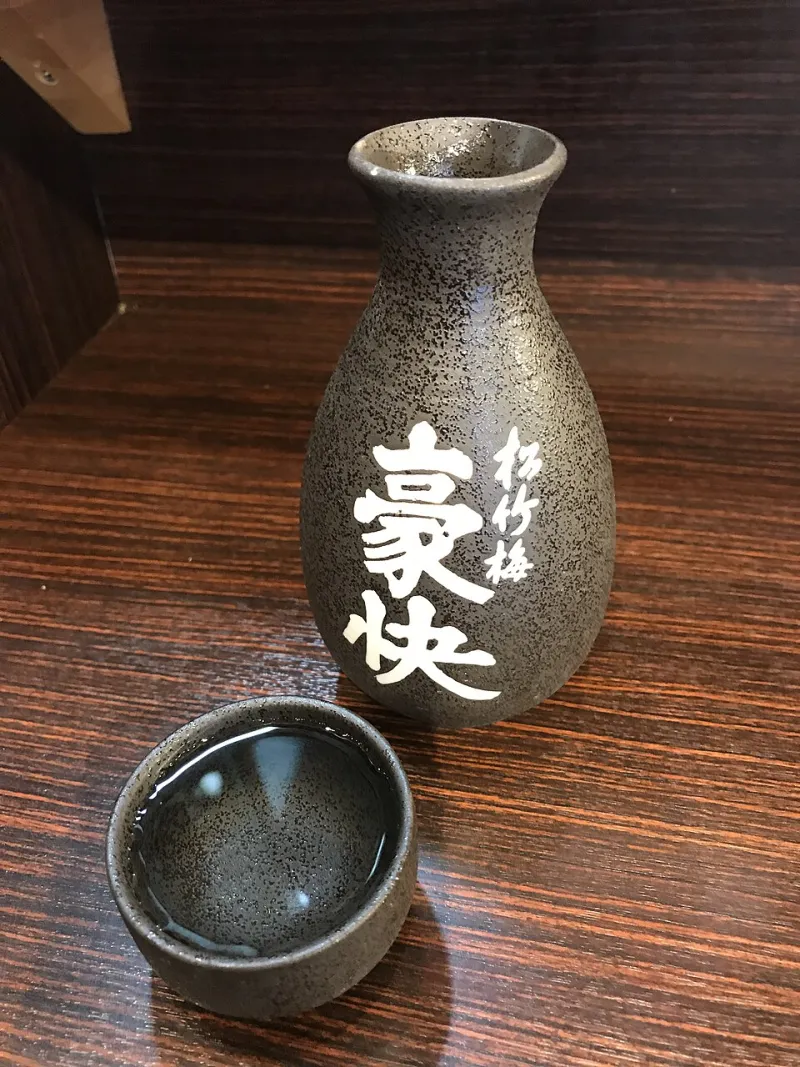
Budget Ingredients, Gourmet Results: The Amino Acid Secret Inside Kochi Sake
Let's say you're standing in the grocery store on a Wednesday, staring down a pack of chicken thighs that's marked down to clear. Or maybe you've got a half-wilted bunch of spinach in the fridge and some canned white beans in the pantry. Nothing glamorous. Nothing that's going to make your Instagram followers stop scrolling.
Now imagine that same meal — same ingredients, same ten-dollar budget — tasting like something a trained chef put together. Deeper. Richer. The kind of dish where someone takes a bite and says, "Wait, what did you do to this?"
That's not a fantasy. That's what happens when Kochi sake enters the equation.
The Science Has a Name, and It's Not Magic
Food scientist Dr. Yuki Tanaka, who consults for several Japanese fermentation research groups and has worked with American culinary schools on umami education, puts it plainly: "Kochi sake tends to have a higher amino acid content than sake produced in other regions. When those amino acids — particularly glutamates — interact with proteins and fats in food, they amplify savory perception in a way that's measurable and repeatable."
In plain English: the stuff in Kochi sake that makes it taste full and complex does the same thing to whatever you're cooking with it.
Umami, the fifth taste that the US food world has been obsessing over for the past decade, is largely driven by glutamic acid. It's the same compound responsible for why Parmesan cheese, soy sauce, and slow-braised short ribs all hit that deep, satisfying note. Kochi sake — particularly the junmai and junmai ginjo styles produced in the prefecture — registers notably high in free amino acids compared to sake made in regions like Nada or Fushimi. Some Kochi breweries produce sake with amino acid levels that rival a light broth.
When you splash that sake into a pan or use it to marinate proteins, you're not just adding alcohol and rice flavor. You're layering in a cascade of glutamates that bond with the natural compounds in your ingredients and push the overall umami perception way up.
Before and After: A Real Kitchen Test
To see how this plays out practically, we ran an informal taste test with a small group of home cooks in Portland, Oregon — a city with a serious food culture and a growing sake curiosity. Each participant cooked the same dish twice: a simple pan-seared chicken thigh with garlic and butter. One version used a splash of dry white wine (the standard American home cook's move). The other used a junmai from Kochi's Suigei Brewery.
The results were consistent enough to be interesting. Every taster described the Kochi sake version as "fuller," "more savory," and — this word came up four times — "rounder." One participant, a home cook with no formal training, said, "It tastes like the chicken is better quality, but I bought both pieces from the same package."
That's the umami paradox in action. The ingredient didn't change. The perception of the ingredient did.
Which Kochi Sakes Work Best in the Kitchen
Not all sake is equal when it comes to cooking applications, and Kochi's range is wide enough that it's worth being a little strategic.
For proteins: Junmai styles from Kochi — look for bottles from Suigei, Toichi Brewery, or Keigetsu — work exceptionally well as a deglazing liquid or marinade base. Their higher amino acid content and clean, dry finish don't compete with the flavor of the meat; they amplify it. A quick marinade of Kochi junmai, soy sauce, and a little ginger will do more for a cheap flank steak than an hour in a complicated spice rub.
For vegetables: This is where it gets genuinely surprising. Kochi sake used in a quick braise with root vegetables — carrots, turnips, even the humble russet potato — pulls out natural sweetness while adding savory depth. Dr. Tanaka explains that the glutamates in the sake interact with the sugars in the vegetables during cooking, creating what food scientists call a Maillard-adjacent browning effect that enhances both color and flavor. Basically, your vegetables brown better and taste more interesting.
For soups and grains: A quarter cup of Kochi sake stirred into a pot of risotto or added to a simple miso soup base elevates the whole dish. The amino acids layer with whatever other umami sources you're working with — whether that's dashi, Parmesan, or a good stock — and the cumulative effect is a dish that tastes like it took twice as long and cost twice as much.
The Practical Luxury Angle
Here's what makes this genuinely exciting for American home cooks: Kochi sake isn't priced like a luxury product. A solid junmai from one of Kochi's smaller breweries typically runs $20–$35 for a 720ml bottle at a well-stocked Japanese grocery or sake specialty shop. That's a bottle you can drink alongside dinner and cook with, making the per-use cost pretty reasonable.
Compare that to the $15 bottle of "cooking wine" that sits in most American pantries — a product that's often salted, oxidized, and stripped of the very compounds that make sake useful in the kitchen — and the value calculation shifts pretty quickly.
"People think of sake as a drink you have at a sushi restaurant," says one food writer who covers Japanese cuisine for a national outlet. "They don't realize they're walking past a genuine kitchen multiplier every time they skip the sake aisle."
A Few Rules Worth Knowing
If you're new to cooking with Kochi sake, a couple of practical notes:
First, heat burns off the alcohol quickly, so don't worry about your food tasting boozy. Add it early in the cooking process — before the oil or butter goes in, or right after you've seared your protein — and let it reduce by at least half.
Second, avoid the heavily fruity ginjo styles for most savory cooking. Those delicate floral aromas are exactly what you want in a glass but they tend to get lost or turn a little strange under heat. Save the daiginjo for drinking and reach for the junmai when you're at the stove.
Third, taste as you go. Kochi sake brings its own flavor profile to the dish — a clean, slightly savory note with a dry finish — and you want to make sure it's working with your other ingredients, not running over them.
The Bottom Line
You don't need expensive ingredients to cook food that tastes expensive. You need to understand how flavor works and then use the right tools. Kochi sake, with its naturally elevated amino acid profile and clean umami backbone, is one of the most effective and underused tools in the American home kitchen right now.
A cheap cut of meat, a few vegetables, and a splash of the right bottle from Kochi — that's not a compromise meal. That's a smart one.