Carry-On Contraband: The Legal Art of Bringing Kochi's Rarest Sake Home from Japan
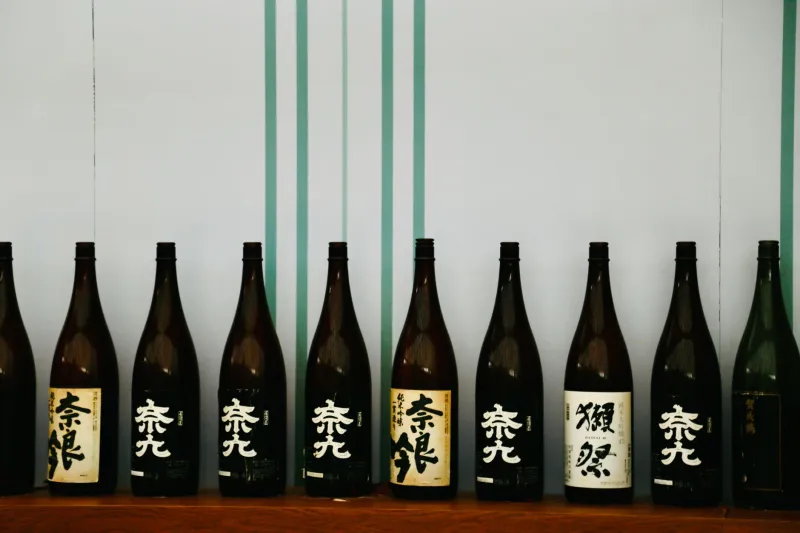
The bottle is wrapped in three layers of bubble wrap, tucked inside a dedicated wine sleeve, and nested between two pairs of jeans in the middle of a checked bag. The traveler — let's call her Dana, a food writer from Portland who makes the trip to Shikoku every eighteen months — has done this enough times that the packing is automatic. She knows exactly how many bottles fit in her luggage without exceeding weight limits. She knows the customs declaration form by heart. And she knows that the sake she's carrying home — a ten-year-old aged expression from a tiny Kochi kura that produces fewer than 500 bottles a year — is completely, 100% legal to bring into the United States.
"People always think I'm doing something sketchy," she says. "I'm not. I'm just doing the homework that most people don't bother with."
That homework — understanding import regulations, building relationships with small breweries, knowing which bottles are worth the luggage space — has turned a small community of American sake enthusiasts into some of the most knowledgeable Kochi advocates in the country. And the ripple effects of what they bring home are quietly reshaping where American sake culture is heading.
The Legal Reality (It's Simpler Than You Think)
First, the logistics, because this is where most people get confused. US Customs and Border Protection allows travelers to bring back one liter of alcohol duty-free per adult — roughly one standard sake bottle. Beyond that, you're technically supposed to declare and pay duty, but the duty rate on sake (classified under beer/wine for customs purposes) is low enough that most travelers who bring back three or four bottles are paying a few dollars total in additional fees, if they're assessed at all.
The practical ceiling most experienced travelers work with is one bottle per checked bag, declared honestly on the customs form. That's it. No smuggling, no creative concealment, no legal gray areas. The "contraband" in the headline is a joke — the real story is that Americans have been dramatically overthinking the logistics while leaving extraordinary sake on the table.
Japan has no export restrictions on sake. Kochi breweries are generally delighted when foreign visitors want to purchase directly. The main constraint isn't legal — it's physical. Sake bottles are heavy, and airline luggage limits are unforgiving.
Why Kochi Specifically
Japan produces sake in nearly every prefecture, so why are the most dedicated bottle hunters increasingly focused on Kochi? A few reasons converge.
Kochi's brewing culture is unusually insular in the best possible sense. Many of the prefecture's smaller kura have never pursued export markets aggressively — not because their sake isn't good enough, but because they produce small quantities and have loyal local customers who absorb most of what they make. The economics of international distribution don't work for a brewery making 2,000 cases a year. So the sake simply doesn't leave Japan through official channels.
At the same time, Kochi's sake profile — dry, acidic, mineral, umami-forward — happens to align almost perfectly with where sophisticated American palates are moving. The same drinkers who've graduated from sweet cocktails to natural wine to aged whiskey are landing on Kochi sake as the next frontier. When they make it to the prefecture and taste the source material, the experience is often described as a before-and-after moment.
"I'd had plenty of good sake in the US," says Marcus, a sommelier from Chicago who first visited Kochi in 2019. "But tasting a junmai that had never left the brewery, poured by the person who made it, in the town where the rice was grown — that's a different experience. I came home with four bottles and spent the next six months talking about it."
Building the Relationship
The travelers who get access to the rarest bottles aren't just showing up and buying whatever's on the shelf. The most interesting Kochi sake — the limited seasonal releases, the aged expressions, the experimental batches — is often not available to casual visitors at all. It flows through relationships built over multiple trips.
This is where the community aspect becomes important. American sake enthusiasts who travel to Kochi have developed an informal network — online forums, private social media groups, occasional in-person meetups at sake events in cities like New York, San Francisco, and Los Angeles. Within these groups, information flows freely: which kura are worth visiting, which toji (master brewers) are open to conversations with foreign visitors, which bottles are worth prioritizing in limited luggage space.
Some collectors have gone further, establishing genuine ongoing relationships with small Kochi breweries. These aren't commercial arrangements — they're the kind of connections that develop when you show up three times, learn enough Japanese to have a basic conversation, bring a gift from your home city, and demonstrate that your interest is genuine rather than transactional. In return, some of these collectors get access to bottles that are allocated before they're even produced.
"There's one brewery I visit every trip," says Keiko, a Japanese-American food consultant based in Seattle who grew up making annual visits to Japan with her family and has been focused on Kochi sake for the past eight years. "They know me now. Last visit they opened something from their private cellar that wasn't for sale at any price — they just wanted to share it. That's the relationship you're building."
What Never Makes the Import List
The bottles that stay in Japan — the ones that motivate the most dedicated travelers — tend to fall into a few categories.
Ultra-small-batch seasonals: Some Kochi breweries release sake tied to specific harvests or seasonal events, in quantities too small to survive international distribution. These are often unpasteurized nama expressions that require cold storage and have short drinking windows — logistically incompatible with importing even if the quantities existed.
Long-aged koshu: Aged sake in the 10-to-20-year range from small producers doesn't have the commercial profile to justify import, but it's some of the most extraordinary drinking in the sake world. Collectors who've tasted these expressions describe them in terms usually reserved for old Cognac or vintage Sherry.
Experimental and natural expressions: Kochi has a small but growing community of brewers pushing into genuinely experimental territory — lower-intervention fermentation, unusual rice varieties, extended maceration techniques. These bottles often exist in quantities of a few dozen cases and are consumed locally before any importer could realistically get involved.
The Cultural Feedback Loop
Here's the part that makes this more than just a collector story. The bottles that American travelers bring home from Kochi don't stay private for long. They get opened at dinner parties, poured at industry events, shared with chefs and bartenders who then start asking questions. The six-month lag Dana mentioned — between a trip to Kochi and the visible influence on US sake culture — is real and measurable.
Sommeliers who've tasted aged Kochi koshu at a collector's dinner start requesting it from importers. Bartenders who've encountered a rare nama at a sake meetup start describing the flavor profile to their customers and building cocktails around similar available expressions. The underground market for rare bottles functions, effectively, as an advance scouting operation for American sake taste.
The bottles themselves are souvenirs. The knowledge that travels with them is the real import.